A cottage behind a house and trees can still feel bright. Start with the 8 percent glazing rule, then plan windows around privacy, glare and heat.
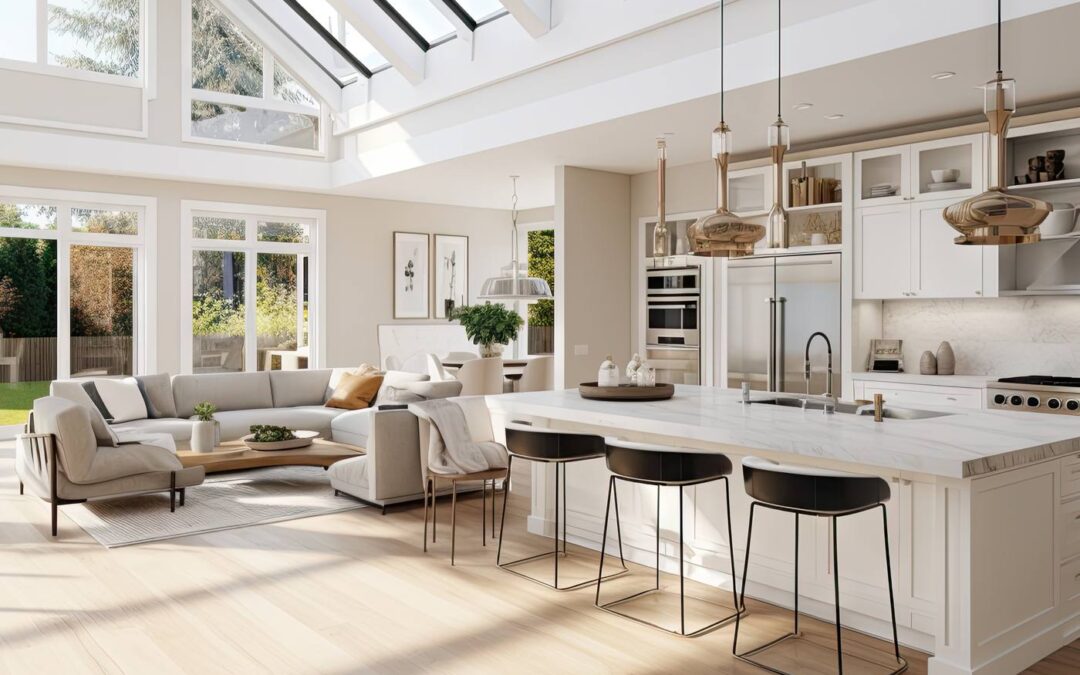
Bringing More Natural Light Into a Compact DADU
read more

A cottage behind a house and trees can still feel bright. Start with the 8 percent glazing rule, then plan windows around privacy, glare and heat.

Roof slope decides which materials the code allows, how water drains and how roomy the cottage feels. Settle the shape early with your designer.

The wall behind the siding matters as much as the siding itself. Compare fiber cement, wood, vinyl and metal, and see what Seattle’s code requires.

When a parent moves into the cottage, questions about ownership, free rent and heirs come up early. Write down the plan and check the tax rules.

A Seattle DADU permit does not create a separate property. Selling a cottage on its own usually means a condominium structure, with legal help.

A homeowner policy written for one house may not fit once a cottage goes up. Ask your agent about the build, rental use, earthquakes and liability first.

A new cottage can raise assessed value. Washington law lets the assessor add permitted construction to the rolls each year, valued as of July 31.
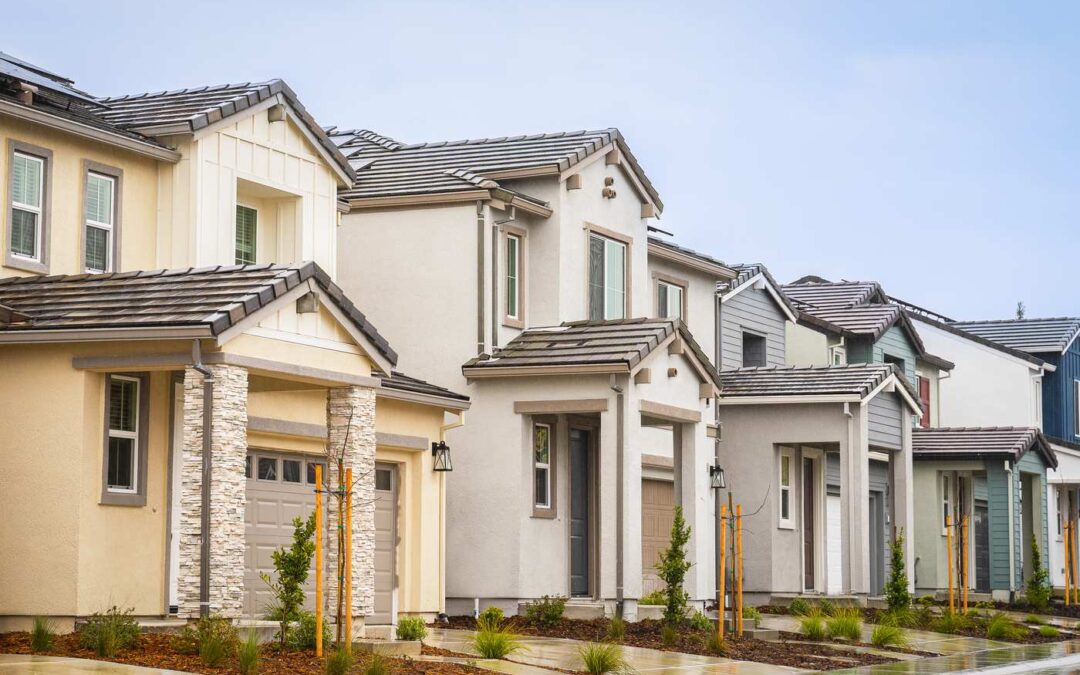
An appraiser values a property with a backyard cottage on permits, nearby sales, quality and market demand, not on what the cottage cost to build.
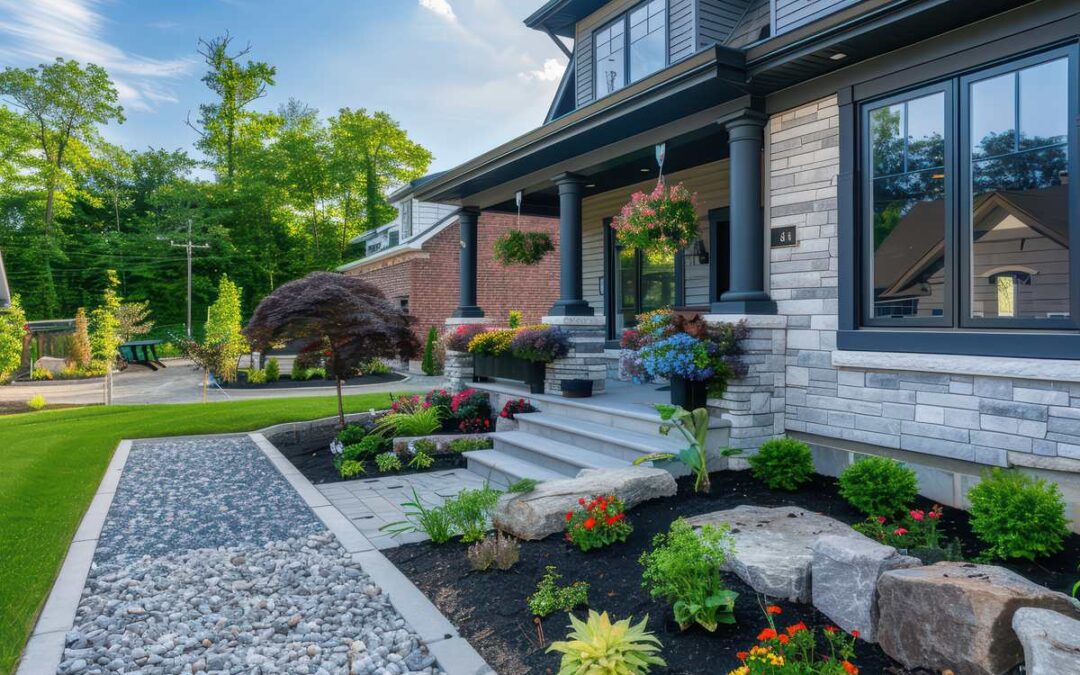
Construction lenders release money in stages as work is done, so they want complete plans, a registered contractor, an itemized budget, a schedule and permit status.
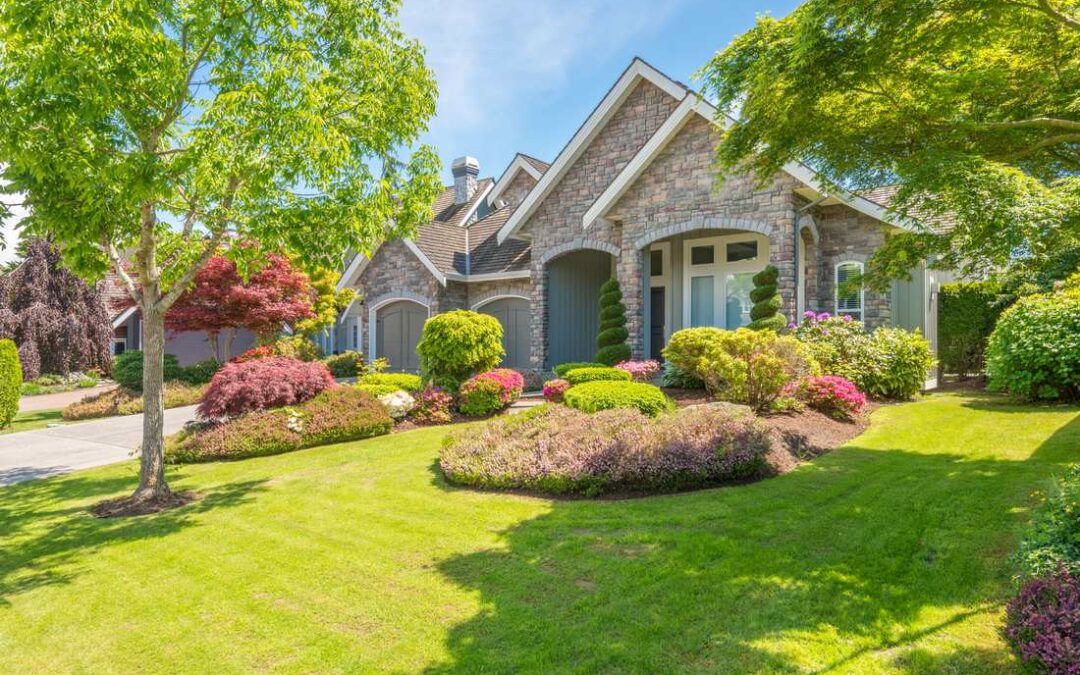
A HELOC lets you draw on home equity as construction bills arrive. The tradeoffs are variable rates, higher payments at repayment and your home as collateral.