Most cottages are funded with cash, a home equity loan or line, a refinance or a construction loan. Each pays out differently and puts different terms on your home.

Common Ways to Finance a Backyard Cottage in Washington
read more

Most cottages are funded with cash, a home equity loan or line, a refinance or a construction loan. Each pays out differently and puts different terms on your home.

The loan payment is only one line. Repairs, reserves, insurance, property taxes, vacancy, utilities, management and Seattle registration fees all come out of rent.

In Seattle, tenants can hold a City Light account but not water, sewer or garbage accounts. That shapes whether you meter separately, fold costs into rent or bill shares.

Sharing a lot with a tenant works best when each household has its own path, screened outdoor space, soft lighting and clear rules for shared areas.

Yes, a backyard cottage can be a short term rental in Seattle, but you need two city licenses, rental registration and a primary residence on the same plan.

A rental cottage takes more wear than a family space. Tough floors, sealed wet areas, reachable equipment and good storage keep repairs small and turnover quick.

A rent estimate for a backyard cottage starts with similar legal rentals nearby. Size, location, amenities, vacancy and yearly costs turn that guess into a range.

Renting a backyard cottage in Seattle means registering with RRIO once a tenant moves in. Here is what registration costs, how inspections work and what fails most.
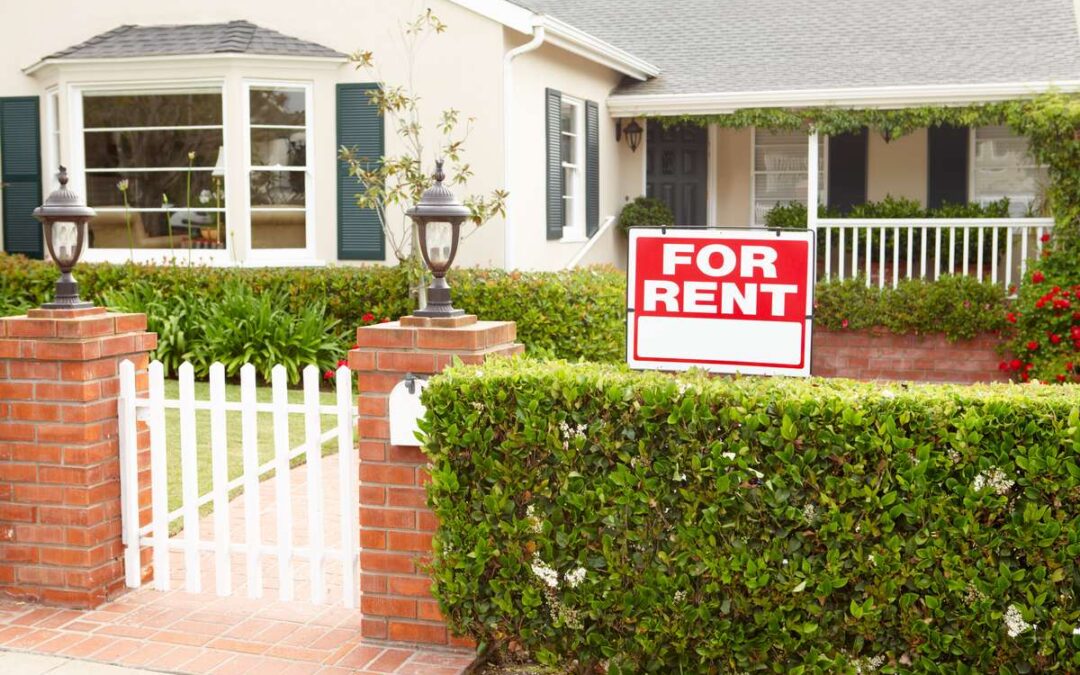
A rental cottage can work, but only if the numbers and the landlord duties fit your goals. Research rents, count every cost and learn Seattle rental rules first.

A guest cottage is still a full dwelling unit in Seattle. Flexible beds, real storage, a simple kitchen and some privacy make visits easy for everyone.