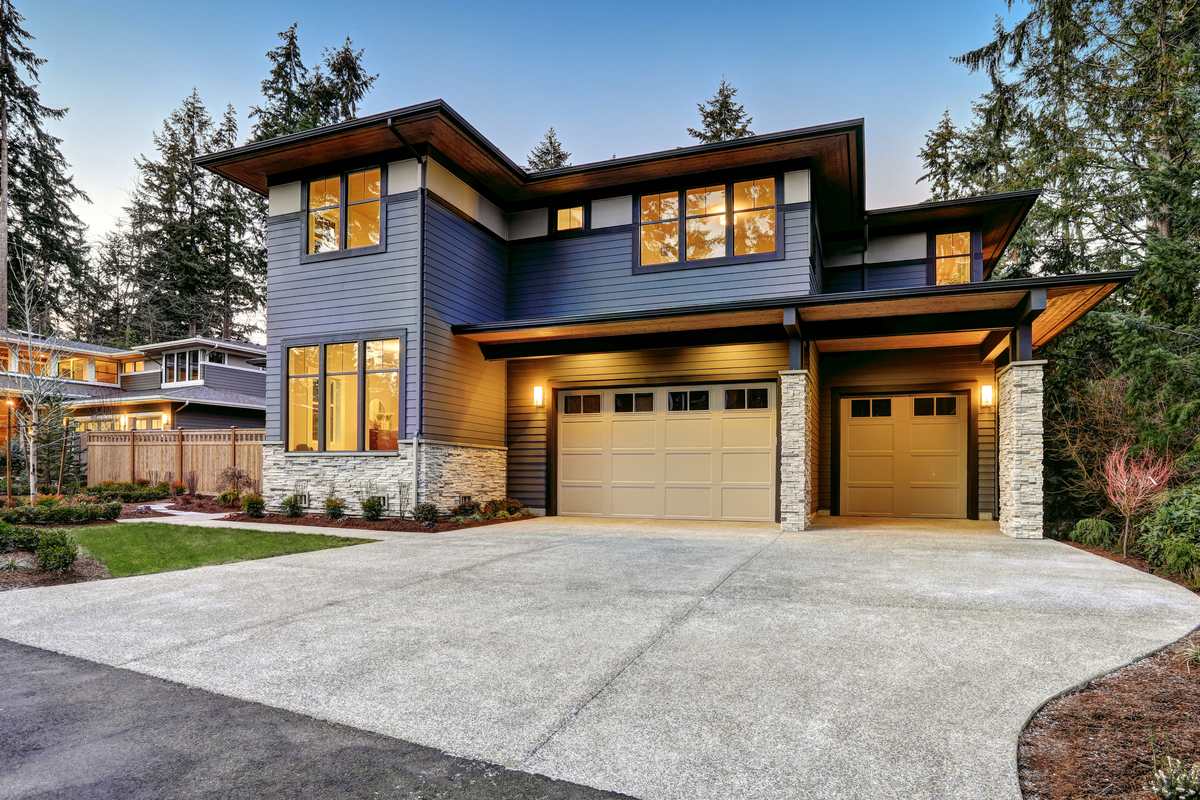


Hiring a contractor for a backyard cottage is a major decision. The right team affects cost, quality, schedule and stress from the first site visit to the final inspection. A clear list of DADU builder questions helps you compare candidates on the things that matter. This guide offers questions and explains why each one is useful.
It covers experience, scope, site work, permits, schedules, communication and contracts. It does not rank any company or promise that one answer is always right. Instead, it helps you hold focused, fair interviews.
Why Interviews Matter
A backyard cottage is a full home on a small site. It involves design, permits, utilities, foundations, framing and finishes, often in a tight space. Many trades must work in the right order on a small site. As a result, experience with similar work can make a real difference.
The Washington Department of Labor and Industries offers hire smart guidance for homeowners. It suggests interviewing several registered contractors and getting bids in writing. It also says to weigh scope, warranties, references, completion dates and price, since focusing only on price may lead to a poor result.
DADU Builder Questions About Experience
To begin with, ask how many detached cottages or similar small homes the team has built, and in which neighborhoods. Then ask what problems came up on those projects and how the team solved them.
Also ask who will run your job day to day, because that person makes many small decisions. A company may have broad experience, yet the site lead shapes your experience most. So ask to meet that person if you can, and ask how many jobs they run at once.
Finally, ask to see finished work and talk with past clients. Real projects and candid references tell you more than polished marketing. In addition, ask whether any past jobs had disputes and how they ended.
Scope and What the Price Includes
Two bids can look similar but cover very different work. So ask each contractor to explain what the price covers and what it leaves out. For example, does the price cover design, engineering, utility connections, permits and landscaping repair?
Allowances deserve close attention as well. Ask how the team set each allowance and what happens if your selections cost more. Our guide to DADU estimate inclusions explains what a clear estimate should list.
Site Work and Utilities
Site conditions often drive surprises on backyard projects. Ask how the contractor will reach the build area, store materials and protect your yard. Also ask how they handle soil, drainage, trees and utility runs. If the site has a slope or poor access, ask how that affects equipment, labor and the schedule.
Meanwhile, ask what the team does when it finds an unknown condition underground. A good answer explains the process for pausing, pricing and approving extra work. That leads naturally to questions about changes.
Neighbors also feel the effects of backyard work. So ask how the team handles noise, parking, deliveries and debris on a tight lot. A contractor who plans for these issues early often keeps relations with neighbors calmer.
Permits and Inspections
Ask who will apply for the building permit and manage inspections. L&I lists a contractor who asks you to get the building permit among its warning signs. It notes that in most instances, if you have hired a contractor, the contractor must take out the permits.
Also ask how the team handles plan review comments and failed inspections. Our post on DADU permit timeline explains why approval times vary. Ask, too, whether the team has worked with the city on similar backyard projects.
DADU Builder Questions About Schedule and Communication
Ask how the contractor builds and updates a schedule. Also ask what tends to cause delays and how they keep you informed when dates shift. Clear answers here reduce stress later. For instance, a contractor who explains lead times for windows or cabinets shows that they plan ahead.
Communication style matters too. Ask how often you will hear from the team, who to call with questions and how they share photos or updates. Then think about whether that style fits the way you like to work. After all, you will talk with this team often for many months.
Contracts, Changes and Protections
The L&I guidance lists items a contract should include, such as the price with sales tax, payment terms, a completion date, the specific work, materials and subcontractors, warranties and change order steps. It also says to make sure you receive the required disclosure statement before work begins. Under RCW 18.27.114, that notice explains the contractor’s registration and bond and warns that a lien on your property is possible.
Ask how the contractor handles change orders, too, including how they price extra work and when they need your written approval. Our guide to DADU change orders explains why written approvals protect both sides.
Using DADU Builder Questions Well
Ask every candidate the same DADU builder questions, and take notes during each talk. That makes it easier to compare answers fairly later. Pay attention to how each person listens and explains, not just what they say. Also notice whether they ask good questions about your site and goals, since careful listeners tend to plan well.
Before you sign, also verify each contractor’s registration, bond and insurance with the state. With good questions and careful checks, you can choose a team you trust for the long build ahead.

 sacdigitalmedia