Most builders show their best work in photos, and those images can be inspiring. Yet a beautiful picture says little about how a project was managed or how it holds up. A useful DADU project portfolio shows real built work, clear scope and consistent craft across many jobs. This guide explains what to look for and what to ask.
It covers exterior and interior details, documented scope, consistency, renderings and homeowner stories. It does not judge any company or suggest that photos alone can prove quality. Instead, it helps you turn a portfolio review into a better interview.
Why a DADU Project Portfolio Needs More Than Photos
Professional photos use careful lighting, wide lenses and staging. So rooms can look larger and brighter than they feel in person. That is normal marketing, but it means you need more than images to judge a builder.
Photos also show a moment in time. A cottage may look perfect on the day of the shoot, while leaks or cracks appear years later. Therefore, the best portfolio reviews pair images with questions and references.
Real Projects Versus Renderings
Renderings are computer images of a design that may or may not exist. They help sell an idea, and they often look flawless. However, they do not show what the team actually built. Stock photos and images from product makers can blur the line further, since they may look like local projects.
Ask the builder to mark which images show finished projects and which show concepts. Also ask whether the photos come from their own jobs or from a designer or supplier. Our post on customizable DADU plans explains how a design can change between concept and permit set.
Exterior Details in a DADU Project Portfolio
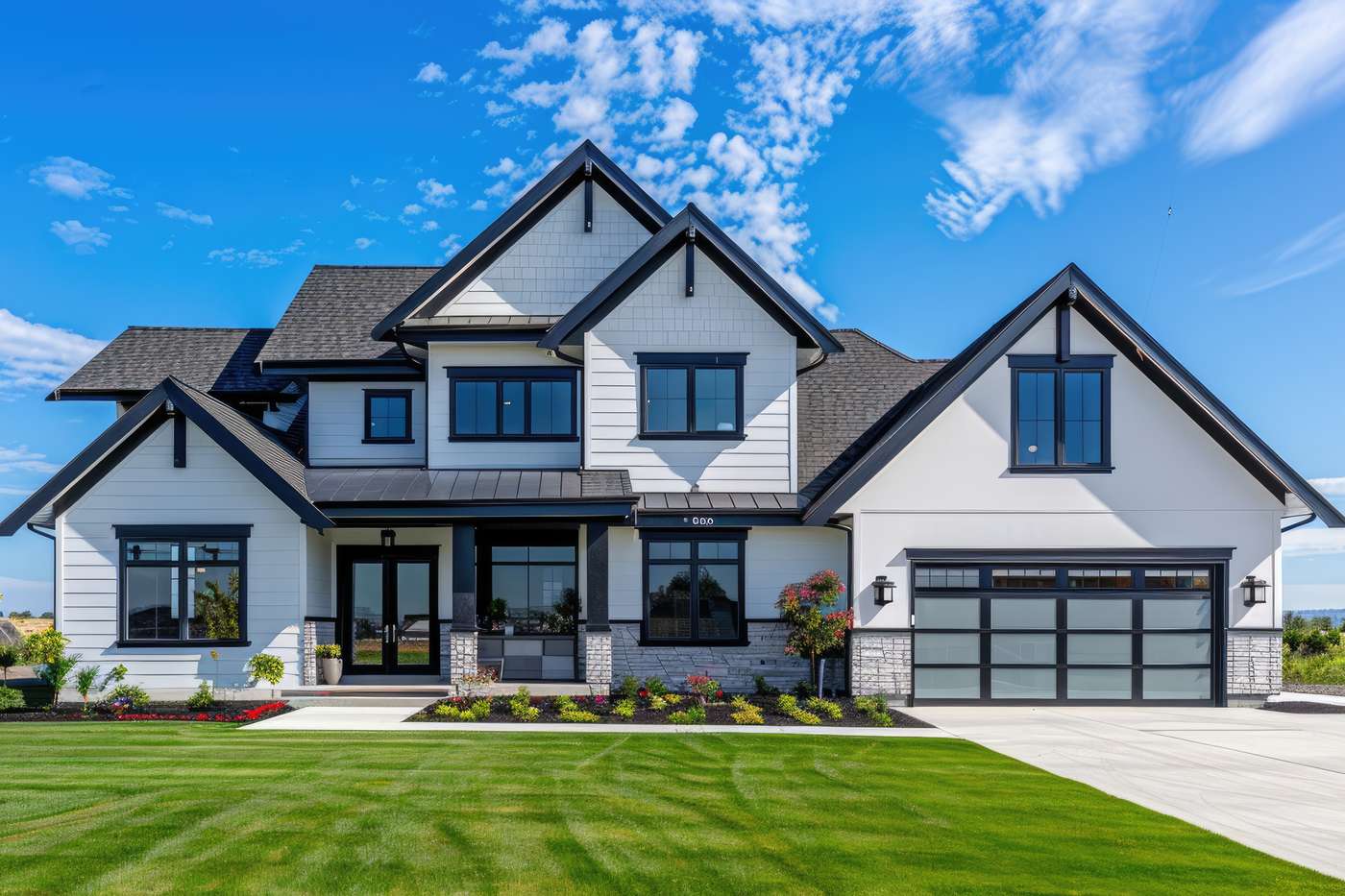
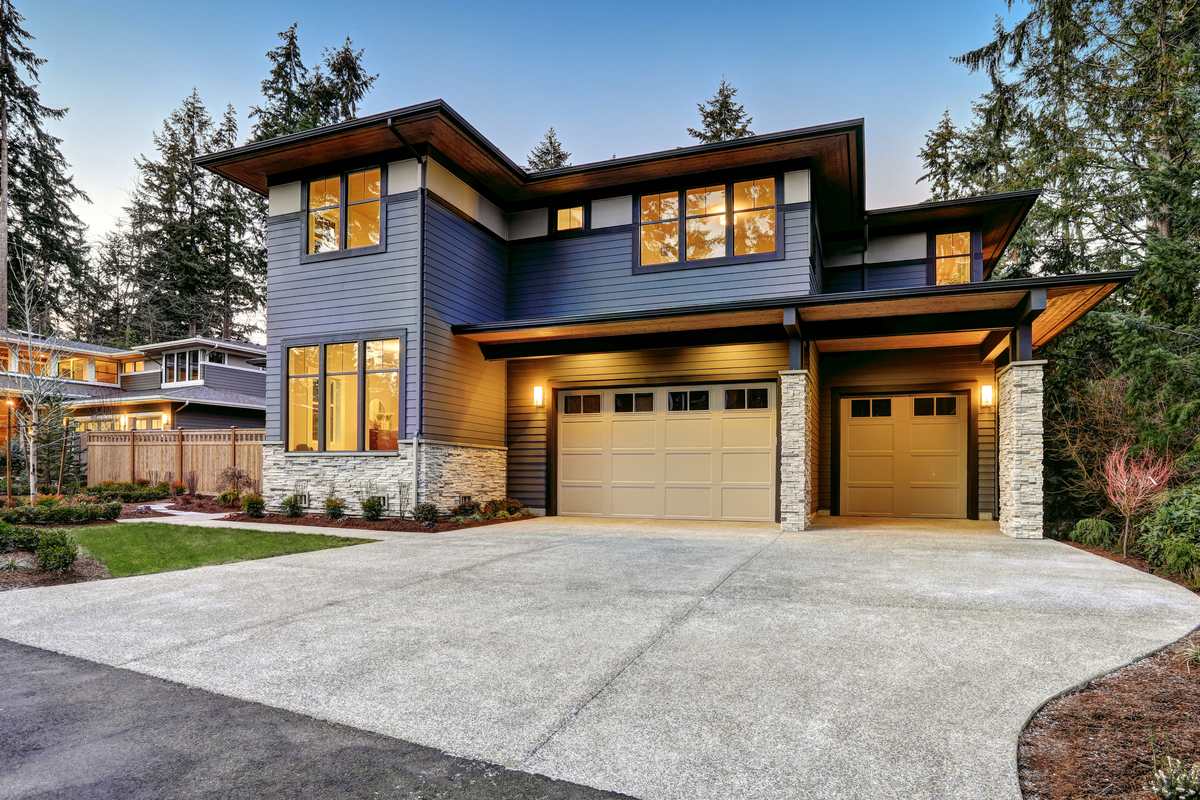
Look closely at the outside of each cottage. Clean trim lines, neat flashing around windows and doors, and even siding gaps often signal careful work. Meanwhile, rooflines, gutters and downspouts show whether water has a clear path away from the building.
Site work matters too. Notice how the cottage meets the ground, how paths drain and how the yard looks around it. In a DADU project portfolio, these details often reveal more than a dramatic twilight shot.
Interior Details Worth Studying
Inside, look at the places where materials meet. Tile edges, cabinet gaps, trim corners and floor transitions show the level of finish. For example, straight grout lines and tight trim joints usually reflect patient work.
Also look for practical choices, such as storage, lighting and bathroom ventilation. A cottage that looks good but lacks these basics may be hard to live in. So ask how the team balanced style with function on each project.
Small spaces test design skill in particular. Look at how each cottage handles the entry, the kitchen work zone and the path to the bathroom. If those areas feel cramped in photos, they will likely feel tighter in person.
Documented Scope and Context
A photo without context can mislead. Ask what the builder handled on each job, such as design, permits, site work, utilities or only part of the construction. Also ask about site conditions, since a flat lot with easy access differs from a steep backyard. A modest cottage on a hard site may show more skill than a showpiece on an easy one.
Some builders keep progress photos as well. Those images can show framing, insulation and other work that later disappears behind walls. Our guides to the DADU framing walkthrough and the DADU final walkthrough explain what owners can check at those stages.
Consistency Across Many Jobs
One stunning project could be an outlier. Instead, look for steady quality across several cottages of different sizes and styles. Consistent details suggest that the team has repeatable methods and good crews. Look at the same detail, such as a window corner or a shower edge, across several jobs.
Recent work matters most, because staff and trade partners change over time. So ask which projects are the newest and who led them. If possible, ask whether the same site lead would run your job. A portfolio built by crews who have since moved on tells you less about your own project.
Homeowner Stories and References
Past clients can tell you what photos cannot. Ask them about communication, schedule, budget changes and how the builder handled problems. Also ask how the cottage has performed since move in.
Service after the build matters as well. For instance, ask whether the builder returned to fix small issues after the final payment. Their answer often says a lot about service. Likewise, ask whether they would hire the same team again, and why.
The Washington Department of Labor and Industries hire smart guidance suggests weighing references along with scope, warranties, completion dates and price. It also lists a credential or reference that you cannot verify among its warning signs. So follow up on every reference you receive.
Using a DADU Project Portfolio in Your Decision
Treat each DADU project portfolio as a starting point for questions, not a final answer. Note the projects that match your goals in size, style and site, then ask about scope, site, budget and lessons learned. Also check the builder’s registration and history with the state contractor lookup.
Finally, visit a finished cottage if the builder and owner allow it. Walking through real spaces, touching finishes and hearing the owner’s story will give you a much clearer picture than any photo.

 sacdigitalmedia