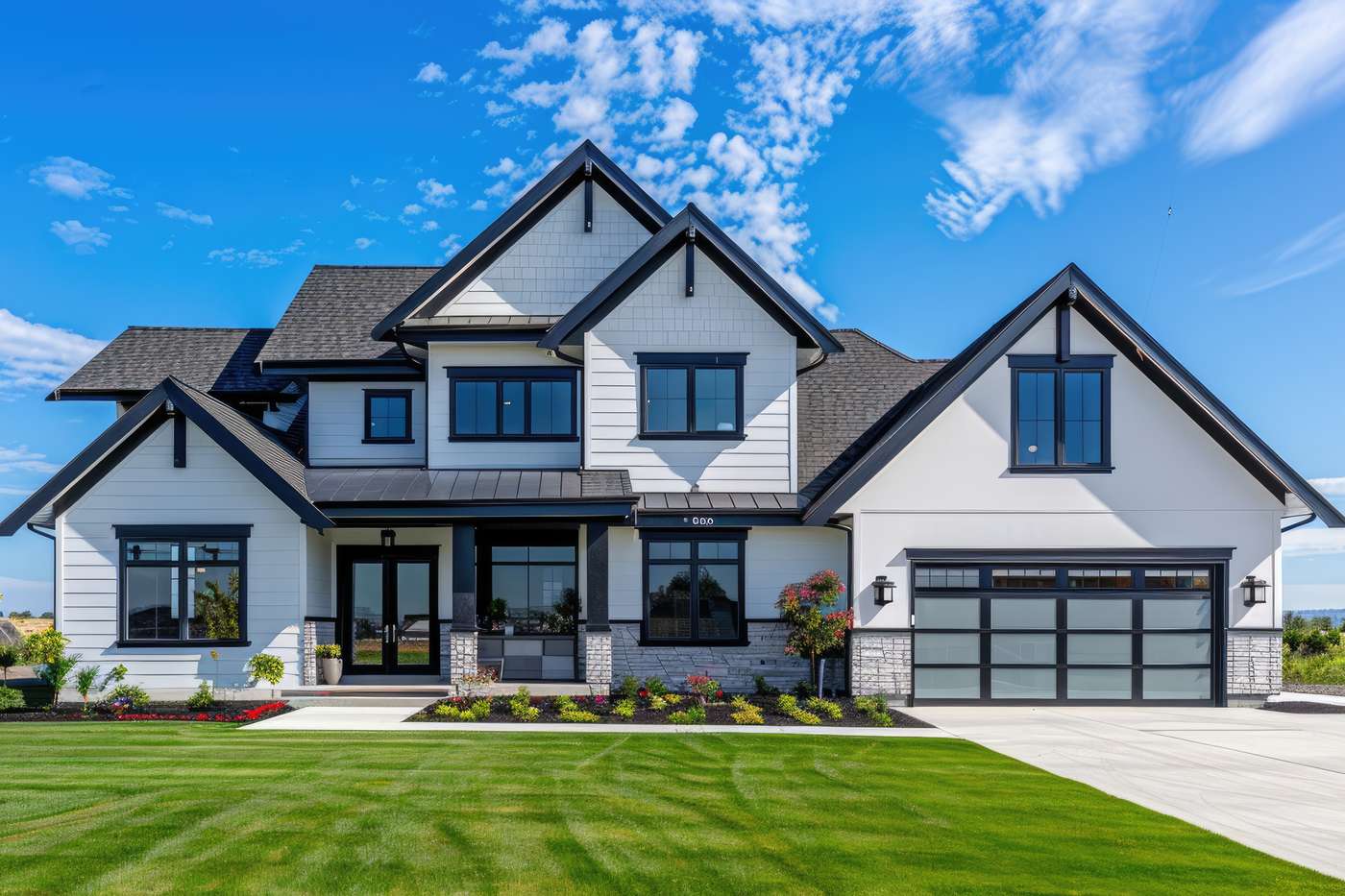
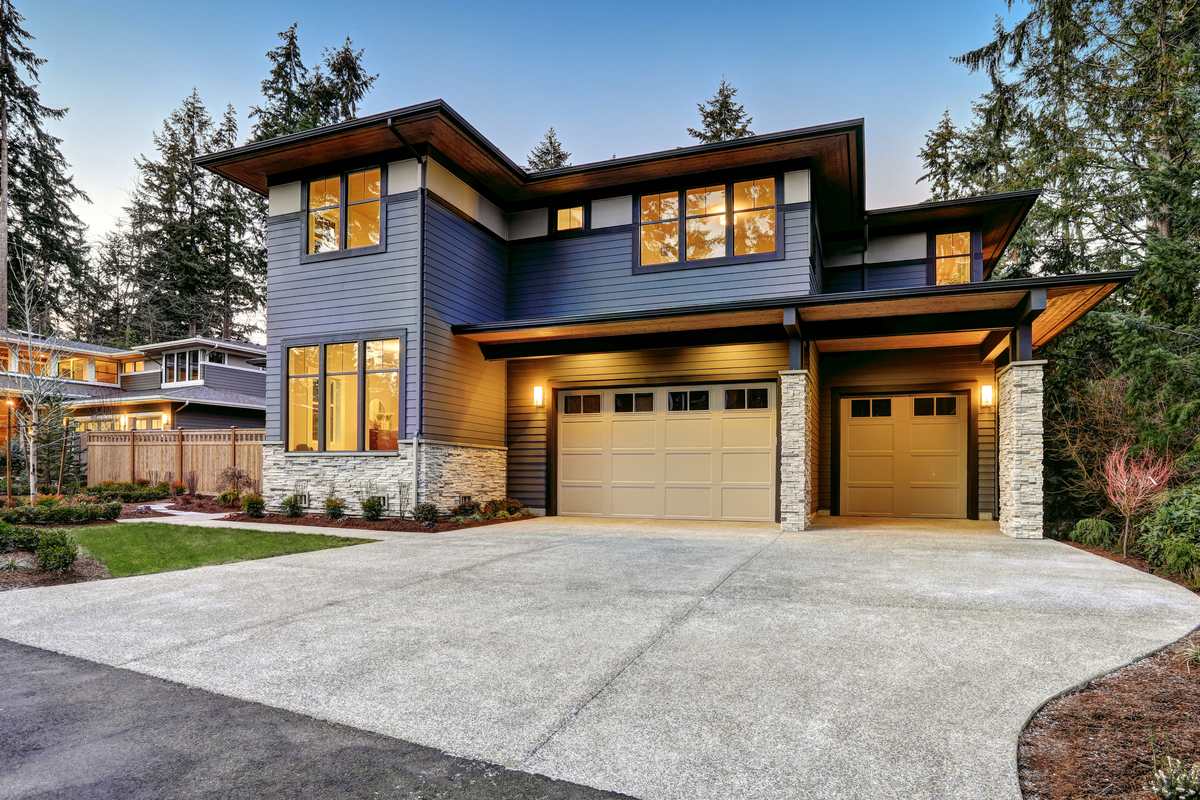
Windows shape how a backyard cottage looks, feels and performs. In a small home, each window has a big effect on warmth, light and comfort. Understanding DADU window performance helps you compare options by their verified ratings rather than by style alone. This guide explains the basics in general terms.
It covers labels, comfort, condensation, airflow, orientation and durability. It does not recommend brands or promise energy savings. Instead, it gives you plain language for talks with your designer and builder.
Why Windows Matter So Much in a Small Home
A compact cottage has less wall area than a large house. So windows often make up a larger share of the walls that face the weather. As a result, their quality can affect comfort in every room.
Windows also do many jobs at once. They bring in daylight, frame views, let in fresh air and, in bedrooms, provide a way out in an emergency. Because of that, the best choice balances several goals rather than one.
Style still matters, of course. Yet two windows that look alike can perform very differently. Glass layers, coatings, gas fills, spacers and frame design all affect results. Since you cannot see most of these features, the rating label becomes your best guide.
Reading a Label for DADU Window Performance
The National Fenestration Rating Council explains the ratings found on many window labels. U-factor measures how well a product keeps heat from escaping a room, and a lower number means less heat loss. Solar heat gain coefficient measures how much solar heat a product lets in. Visible transmittance shows how much daylight passes through.
The Seattle Energy Code ties into these ratings as well. Section R303 calls for window, door and skylight U-factors to come from an accredited, independent lab, with labels certified by the manufacturer. Products without a labeled rating receive a default value instead. Therefore, the label is a key tool for comparing DADU window performance on equal terms.
Comfort Near the Glass
On a cold night, a window with poor insulation can feel chilly when you sit near it. On a sunny afternoon, the same glass may let in a lot of heat. Better rated units can reduce both effects, though no window performs like a solid wall.
Window size and placement matter too. For instance, a large west facing window may need shading or a lower solar heat gain rating to stay comfortable in summer. Our post on DADU heating and cooling explains how comfort systems work with the building shell.
Condensation and Moisture
Moisture from cooking, showers and breathing can collect on cold glass and frames. Over time, frequent condensation can harm sills, finishes and nearby walls. Some labels also list a condensation resistance rating, where a higher number means better resistance.
Ventilation plays a big role as well. Steady fresh air helps carry indoor moisture away before it settles on cold surfaces. Our guide to DADU ventilation systems covers fans and whole house airflow.
Operable Windows and Safety Rules
Operable windows let in fresh air on mild days. Casement, awning and sliding styles each open in a different way, so each fits some rooms better than others. Meanwhile, screens and locks affect daily use. A window you can open easily is one you will actually use on warm evenings.
Safety rules also shape choices. The Seattle Residential Code requires every sleeping room to have at least one operable emergency escape and rescue opening, under section R310. It also lists hazardous locations for glazing, such as glass in and near doors, under section R308. Your designer will confirm which windows these rules affect.
Orientation and DADU Window Performance
The direction a window faces changes how it behaves. In general, south and west glass gets more direct sun, while north glass brings in softer light. Nearby trees, fences and buildings also change how much sun reaches each side.
That is why DADU window performance depends on the site as much as the product. A rating that suits one wall may not suit another. So ask your designer whether different walls call for different glass choices. Exterior shading, such as roof overhangs, can also help on sunny sides.
Frames, Durability and Lead Times
Frame materials differ in how they handle moisture, sun and wear over time. Some need painting, while others need little care beyond cleaning. In a damp climate, it helps to ask how each frame type handles years of rain and shade. Hardware, seals and weather stripping also affect how a window performs years later.
Ordering matters too. Custom sizes and special glass can take time to arrive, which can affect the schedule. Our post on DADU material lead times explains how to plan for that.
Comparing DADU Window Performance Options
Ask for the rated values of each window you consider, and compare them side by side. Also review the energy code path your designer plans to use, since it may set targets for the whole home. Then weigh comfort, light, views, upkeep and budget together before you decide.
It also helps to see the windows in person when you can. Open and close a sample, look at the seals and ask how the frame drains water at the sill. Finally, ask your builder how the windows will tie into the wall, because careful flashing and sealing protect both comfort and durability. A good product installed poorly can still leak air or water.

 sacdigitalmedia