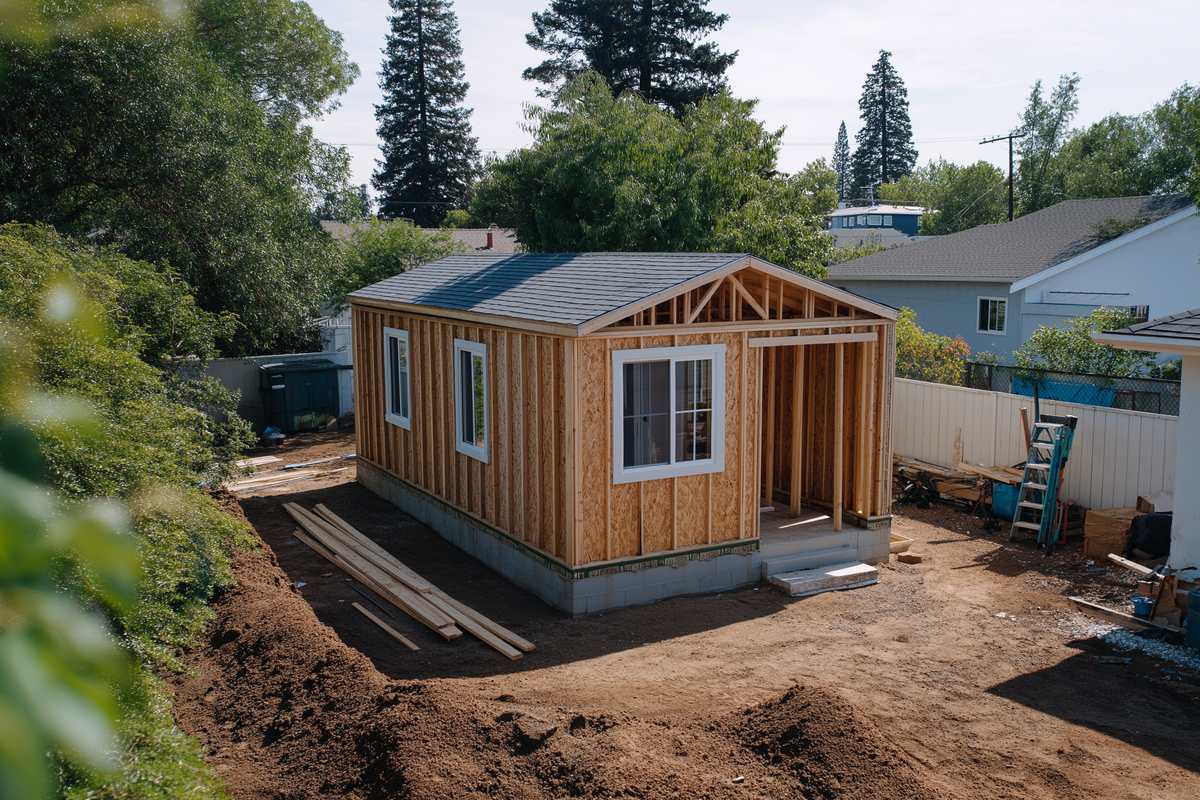


Few permit applications pass review on the first try. For many owners, the first correction letter feels like bad news. In fact, ADU permit corrections are a normal part of plan review in Seattle, and most projects go through at least one round.
This guide explains why comments come up, what they usually cover and how a design team tracks and answers them. It does not predict approval dates, since each project moves at its own pace.
What ADU Permit Corrections Are
Each correction comes as a written request from a city reviewer. It asks the applicant to change the plans, add missing information or explain how the design meets a code rule. Several teams review each application, so comments can come from zoning, structure, energy, drainage and other reviewers. Our overview of the Seattle DADU review explains what each team checks.
The city’s guide on the Construction Permit Timeline describes the pattern. The city reviews the application and issues a correction notice. Then the applicant updates the plans and resubmits, and the cycle repeats until the permit is ready.
Incomplete Submissions
Missing items cause many comments. For example, a plan set may lack a wall section, a glazing schedule or a required form. Sometimes drawings disagree with each other, such as a window that shows on a floor plan but not on an elevation.
Gaps like these slow review because the reviewer cannot finish the check. Therefore, a careful quality check before upload often saves a full cycle.
Labels matter as well. Each form should go in as its own file, and each sheet should carry a clear title. Upside down or poorly named files make the reviewer’s job harder, and the city may not accept a set like that.
Site Conflicts
Other comments come from the lot itself. A reviewer may find that a corner of the cottage sits too close to a property line. Similarly, an easement on title may cross the footprint, or a protected tree may limit the dig area.
These issues often need design changes rather than simple notes. Our guides on Seattle ADU setbacks and DADU easement restrictions explain the rules behind many site comments.
Code Comments From Reviewers
Code comments point to a specific rule. A structural reviewer may ask for a beam calculation or a clearer bracing plan. Likewise, an energy reviewer may ask for missing insulation values, and a zoning reviewer may ask for a height calculation.
Not every comment means the design is wrong. Sometimes the reviewer needs a clearer drawing or a code citation. In that case, the response can explain why the design already complies.
Tone matters in these replies. A short, specific answer that points to a sheet and a detail works better than a long debate. If a comment seems unclear, ask your designer to confirm what the reviewer wants before anyone changes the plans.
How the City Wants Responses
SDCI gives clear steps for answering comments. First, wait until every review finishes and the status reads Corrections Required. Next, find the Consolidated Summary Report and the correction letters in the Attachments tab of the portal record.
- Answer each item. Describe the change and where it appears, or cite the code if you did not make a change.
- Note voluntary changes. List any changes you made that no reviewer asked for.
- Combine all answers. Put every designer’s and engineer’s responses into one document.
- Upload a full set. Submit a complete plan set plus a correction response plan set.
The city may not accept an incomplete or poorly organized resubmittal, which can delay review. Major changes can also need a form and added fees. You can read the full rules on the SDCI page about responding to review comments.
Coordinating Revisions Across the Team
One change can ripple through the set. For instance, moving a window to answer a zoning comment can change the energy math and the structural header. So the designer should check every sheet that a change touches.
Clear roles help. Usually, the architect or designer leads the response and gathers input from engineers. Meanwhile, the owner answers questions about scope and approves any changes that affect cost or layout.
Tracking ADU Permit Corrections
A simple log keeps comments from slipping through. List each comment, the reviewer, the sheet it affects, who owns the answer and the status.
Review the log before each resubmittal. Then compare it with the city’s summary report so that no item stays open. The Construction Permit Timeline tool also shows which reviews have finished and which remain active.
Good tracking also protects the budget. Extra review cycles can mean extra design hours, which our guide to DADU design cost explains in more detail.
Keeping ADU Permit Corrections in Perspective
Corrections can feel like a setback, but they are part of how the city checks safety and code compliance. A thoughtful response usually beats a fast one. Even so, a timely answer keeps the file moving.
Avoid promises about approval dates, both to yourself and to anyone who depends on the project. For example, a family member planning a move or a lender tracking a loan both benefit from honest ranges rather than fixed dates. Each cycle depends on the comments, the response and the city’s workload at the time. Instead, focus on what the team can control, such as clear drawings and complete answers.
Overall, most comments trace back to missing details, site conflicts or code questions. A complete set, a shared log and coordinated answers give each round the best chance to resolve open items.

 sacdigitalmedia