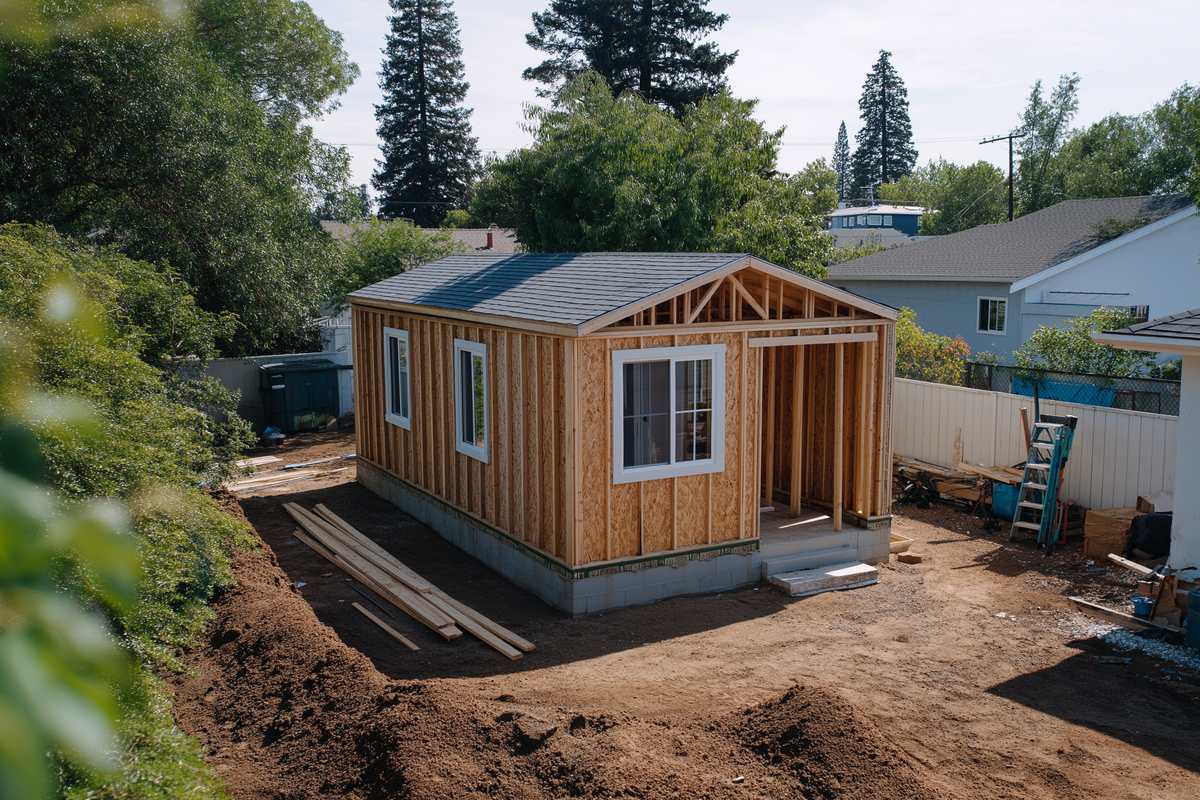
A new backyard cottage needs more than walls and a roof. It needs a way for mail carriers, delivery drivers, utilities and emergency crews to find it. DADU address assignment gives the cottage its own place in the city’s address system.
This guide explains why the address matters, when to raise it and which city offices take part. For the actual steps, always check the current instructions from the Seattle Department of Construction and Inspections.
Why a Cottage Needs Its Own Address
An address does more than label a mailbox. According to SDCI, addresses guide how emergency dispatchers send responders and how life safety crews find a home quickly. They also decide where utility and other bills go.
A cottage in the backyard can be hard to find from the street. So the city treats a detached unit as a home that should have its own address for emergency response, utilities and mail. This holds even though the code treats the cottage as an accessory structure.
Who Handles DADU Address Assignment
SDCI assigns all addresses in Seattle. It also adds them to a city map layer that other agencies use to locate properties. In addition, it tracks each building with a building ID in its permit system.
A development site team checks the legal description of the property against county and city records. Then it sets the address range for the lot and creates or updates the record. You can read the full process in SDCI’s addressing review tip.
How the Permit Process Handles DADU Address Assignment
For most new cottages, the address comes through the building permit. SDCI announced that it creates a separate cottage record at permit intake. Then it assigns an address and a building ID as part of plan review.
Address work starts even earlier in some ways. During the online pre application, SDCI confirms the legal description and address of the main property. Because of that, a clear legal description early on helps the later steps go smoothly.
Projects that already sat in review or held a permit when this process began followed a different path. For those, SDCI asked applicants to send the request form from its addressing tip by email, as its announcement of the change explains.
How the City Numbers a Cottage
Addresses follow the street grid. In general, each lot has a limited range of numbers based on its street frontage. When a site has more homes than open numbers, the city may give each unit the same building number with a letter after it.
Corner lots and alleys can change the result. For example, the city may assign a unit an address off a side street or an alley that it faces. The order also follows the walking path from the street to each unit.
When to Raise DADU Address Assignment
Early is better. Ask your designer to confirm how the address will work before you submit the permit. That way, the site plan, utility requests and later paperwork all use the same information.
Timing matters for utilities in particular. SDCI tells applicants to use its assigned addresses when they request service from Seattle Public Utilities and Seattle City Light. Our post on DADU utility expenses explains why those requests often take planning.
Ownership plans also matter. If you plan to set up a condominium, SDCI asks owners to request address assignment before the condominium conversion. Our guide to two ADUs in Seattle covers related questions about multiple units on one lot.
Departments and Agencies Involved
SDCI leads the process, but other groups rely on the result. The city’s addressing tip notes that SDCI notifies agencies when it assigns a new address.
- Emergency services. Police and fire use the address to reach the right door.
- Utilities. Seattle Public Utilities and Seattle City Light use it for service and billing.
- County records. The King County Assessor uses it in property records.
- Mail. The post office uses it for delivery.
Posting and Maintaining the Address
Once the city assigns the address, the owner has work to do. SDCI says the building owner must notify tenants and post the address in a visible spot. The numbers should sit near the main entrance or another place that people can easily see from the street.
Shared driveways need extra care. The city asks for addresses at the front of a shared drive so people can read them from the street. If a parcel does not sit on the street, the city may ask for an easement or covenant for an address sign. Our post on DADU easement restrictions explains how recorded agreements work.
Checking the Address Before Move In
Before anyone moves in, confirm that the new address appears in the permit record. Then compare it with the address on utility accounts, insurance and any lease. Small mismatches can cause mail or billing problems later. If something looks wrong, contact the SDCI addressing team early, since DADU address assignment errors are easier to fix before tenants arrive.
Addresses can also change over time. SDCI notes that it sometimes retires old addresses and assigns new ones when parcels or buildings change. As a result, older permits on your lot may sit under a different address. Similarly, inspection records for the cottage will use the new address, as our guide to DADU building inspections explains.
Overall, a cottage address supports safety, service and mail. The process usually runs through the building permit, and the current city addressing instructions remain the best guide for your project.

 sacdigitalmedia