You picked a cottage plan, and now you want to know how many approvals stand between that plan and a finished home. The short answer is one main permit plus a handful of related ones. DADU permit requirements in Seattle center on a construction permit from SDCI, with trade permits, utility steps and site reviews added as your lot calls for them. A DADU, or detached accessory dwelling unit, is a separate home on the same lot as a house.
Details below reflect official Seattle pages checked in October 2026. Confirm with city staff for your property.
What Is the Main Permit for a Backyard Cottage?
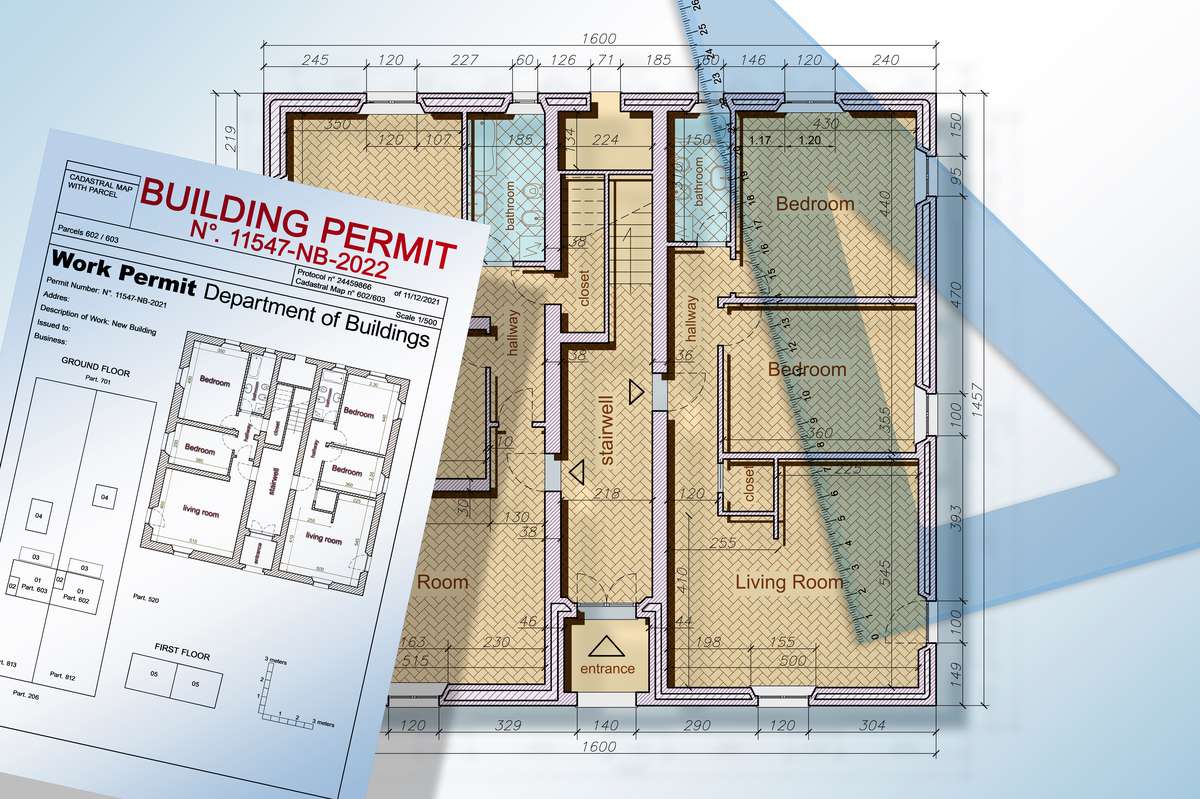
The core approval comes from the Seattle Department of Construction and Inspections. On its accessory dwelling unit page, SDCI lists a new detached unit under the construction addition or alteration permit. Legalizing a unit that already exists uses a different permit, one that establishes use.
This permit covers the building itself. SDCI says an ADU must meet current residential, building, mechanical, electrical, energy, land use, critical areas and shoreline standards. Each of those codes gets its own reviewer, so a single application still passes through many hands.
Which Trade Permits Usually Follow?
A building permit does not cover every system in the cottage. SDCI’s inspection page notes that mechanical, electrical, plumbing, side sewer and water service work each need separate permits and separate inspections.
- Electrical work, permitted through SDCI.
- Plumbing and gas piping, permitted through Public Health Seattle and King County.
- Heating and ventilation equipment under a mechanical permit.
- Side sewer connections through Seattle Public Utilities.
Each of these has its own inspector, and the work cannot be covered until that inspector signs off. Your contractor or the licensed trades usually pull these. If you plan to do any trade work yourself, ask the issuing agency first, because owner permits come with limits.
Utility Steps That Run Alongside
Utility approvals move on a parallel track. You may need a new or upgraded electric service from Seattle City Light, and SDCI flags that step on its ADU page. Water and sewer capacity also gets checked during the building permit, and any needed upgrades show up in that review.
King County has a role too. SDCI reports every ADU permit to the county for the sewer treatment capacity charge, and you sign a county form during the application. The post on DADU utility expenses explains why these steps matter for the budget.
When Does the Ground Itself Add Reviews?
Some approvals depend on the site, not the building. Drainage rules apply once a project adds or replaces enough hard surface. Steep slopes, landslide areas and other critical areas bring their own review, and moving a lot of soil can require grading approval.
Trees shape the footprint on many lots, and the guide to Seattle DADU trees covers that review. If you have not confirmed that your lot can hold a cottage at all, start with DADU lot eligibility before you pay for drawings.
A Hypothetical Beacon Hill Lot
Picture an invented Beacon Hill lot with a gentle slope, an old garage and a large maple near the back fence. The owner wants to replace the garage with a one bedroom cottage.
That single goal touches several approvals. SDCI handles the building permit and the tree review, and the garage removal adds a demolition step. The electrician applies for the electrical permit, and City Light reviews the service upgrade. A side sewer permit comes from Seattle Public Utilities.
None of this is unusual. It simply shows why one cottage can carry five or six permit numbers. If the owner had chosen a flat lot with no trees and a newer garage to keep, the list would shrink, but the main SDCI permit would stay the same.
Who Handles Each Approval?
Your contract sets the exact split, though a common pattern looks like this. You decide the scope, sign forms, supply property records and pay city fees. Your designer prepares drawings, coordinates engineers and answers review comments.
The builder schedules inspections, coordinates trade permits and builds to the approved plans. SDCI tips also state that the applicant stays responsible for every code rule, listed or not. So it helps to name one person who tracks every permit number. Meeting DADU permit requirements is mostly a matter of knowing who owns each step and when it starts.
Common Permit Surprises
- Trade permits that each carry their own fee and inspection.
- A service upgrade that City Light must approve before connection.
- Tree or drainage review triggered by a small change in footprint.
- Demolition approval for an old garage or shed.
- County capacity charges billed after the sewer connection.
Fees add up across agencies. The breakdown of Seattle ADU permit fees shows where each charge comes from.
Frequently Asked Questions
Do I need a land use permit for a DADU?
Most DADUs in Neighborhood Residential zones go through the construction permit alone. Shoreline or critical area sites can add other reviews. Your designer can confirm this early using the city’s property tools and the Seattle Services Portal.
Can I start site work before the permit is issued?
No. Work should wait until SDCI issues the permit. The first inspections, such as erosion control, happen only after issuance.
Do standard plans use a different permit?
Pre‑approved standard plans from the ADUniverse gallery use the same permit type with a faster review path. Site work, utilities and trees still need attention on your lot.
Permit Planning Checklist
- Confirm your zone, lot size and any critical areas.
- List every approval, its agency and who applies.
- Ask City Light about your electrical service early.
- Note which permits depend on others.
- Keep every permit number in one shared folder.
Most backyard cottages need more than one permit, but the list is predictable once you know your lot. Map every approval before design is final, and check the current SDCI page for any change in the permit path. More on the process lives in the permits and approvals section.

 DaduSeattleWA.com