Utility connections can quietly reshape a backyard cottage budget, since most of the work sits underground. The short answer is that DADU utility expenses depend on how far each line runs, whether existing services have enough capacity and which agency charges apply. A DADU, or detached accessory dwelling unit, is a separate home on the same lot as a house. Water, sewer and power each follow their own rules, and Seattle changed some utility charges in 2026.
Details below reflect official Seattle and King County pages checked in October 2026. Confirm with city staff for your property.
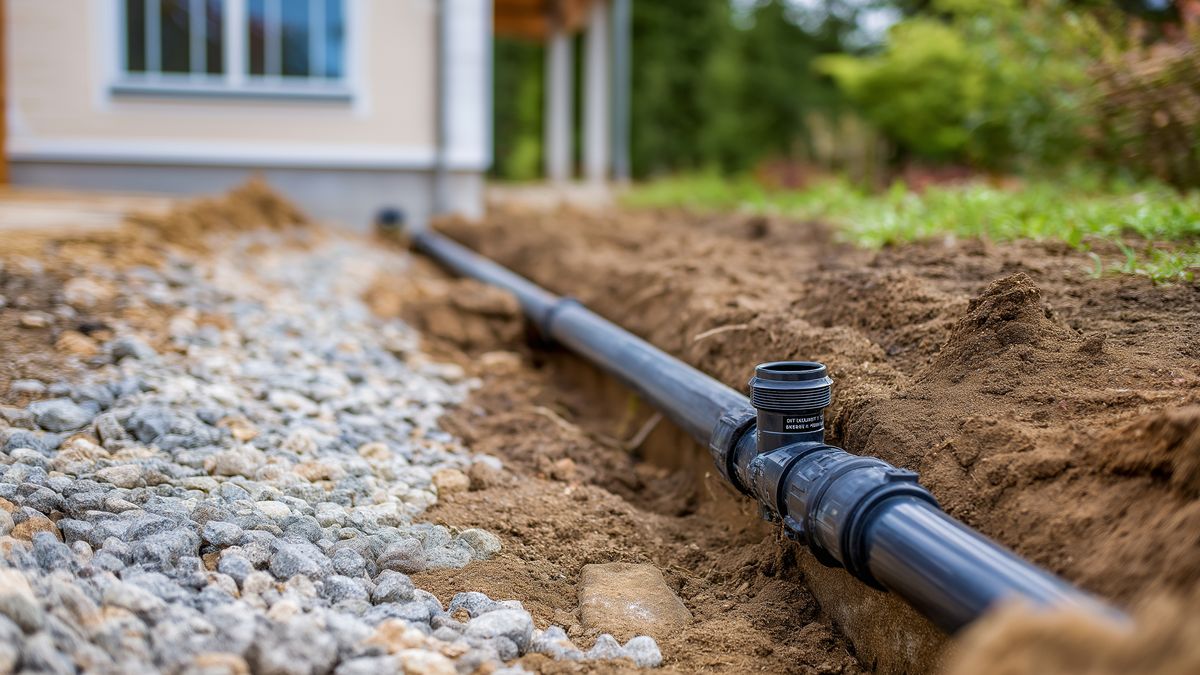
Distance and Route Drive Trenching
Every utility has to travel from an existing source to the new cottage. A short, straight run from the main house is usually simpler than a long trench across the yard.
Routes rarely stay straight. Lines may need to bend around trees, patios, retaining walls or other buried services. Plumbing codes set separation rules for water and sewer lines, which can shape trench layout. Some owners combine trenches where codes allow, though the designer and builder decide what fits a given site.
Sewer and Side Sewer Work
Most backyard cottages connect to the main house side sewer or to a new connection at the street or alley. The existing pipe may be old, cracked or undersized for a second home.
A camera inspection of the current side sewer is a common early step. It shows condition and route before anyone commits to a design. Elevation matters too. A cottage sitting lower than the sewer main may need a pump system, which adds equipment and ongoing maintenance.
Water Service and SPU Charges
Water often branches from the main house service, though some projects need a new or larger meter. Seattle Public Utilities (SPU) reviews new or changed water service.
SPU introduced system development charges on January 1, 2026, for developments needing a new or larger water connection. Its construction resources page also describes a new wastewater charge and a drainage charge tied to added hard surface. How these apply to a specific backyard cottage depends on the connection design, so confirm the details with SPU.
Electrical Service From Seattle City Light
Power can come from the main house panel or from a separate service. Adding a second home may push an older panel or service past its capacity.
Seattle City Light handles new and upgraded service requests through its service application page. Underground service, meter placement and panel upgrades all change the electrical scope. An electrician can run a load calculation early to show whether the existing service can carry the cottage.
The King County Capacity Charge
King County levies a capacity charge on structures with new connections to the regional sewer system. SDCI states that it reports all ADU permits to King County for this charge, and applicants sign an acknowledgment form during permitting.
This charge is separate from the builder estimate and from the monthly sewer bill. The county capacity charge page explains payment options and possible discounts. Rates change periodically. Check the current amount directly.
A Hypothetical Utility Scope
Picture an example lot, invented for illustration, where the cottage sits at the back near an alley. The main house panel is older and the side sewer runs out the front.
Here the owner might weigh two paths. One is a long trench back to the house for sewer, water and power, plus a panel upgrade. The other is a new sewer connection from the alley and a separate electrical service. Each path carries different permits, trenching and agency charges, and only site research can show which makes more sense.
Common Surprises
- A side sewer that needs replacement rather than a simple tie in.
- Utility lines buried in different spots than old records show.
- Agency charges billed to the owner outside the builder contract.
- Pump requirements on lots sloping away from the sewer.
- Street or sidewalk restoration after a connection at the right of way.
Each of these items can be priced or researched before construction. A line in the budget for each one keeps them visible during bid comparison.
Frequently Asked Questions
Can a backyard cottage share utilities with the main house?
Often yes, depending on capacity and code requirements. Many cottages branch water and sewer from the main house lines and take power from an upgraded panel. Some projects choose separate meters for billing or rental reasons. The designer, electrician and utilities involved decide what is allowed and practical on a particular lot.
When should utility research start?
Early, ideally before design is final. Knowing where lines run and how much capacity remains can change where the cottage sits. A sewer scope, a load calculation and an SPU availability request are common first steps, and they give the designer real information instead of assumptions.
Is the capacity charge part of the permit fee?
No. Permit fees and the county capacity charge are separate. The city reports ADU permits to the county, which bills the charge on its own terms. Builders often leave it out of their estimates, so ask whether it appears anywhere in the bid and plan for it separately if it does not.
Do I need a separate address for the cottage?
Many utilities and emergency services rely on a distinct address for a second home. In Seattle, SDCI handles address assignment, and separate meters may depend on it. Ask SDCI and the utilities how addressing works for your project. Settling it early helps meter applications, mail delivery and emergency response once someone lives in the unit.
Utility Checklist Before Design
- Locate where water, sewer and power enter the main house.
- Schedule a side sewer camera inspection.
- Ask an electrician for a load calculation on the current panel.
- Check for alley access that could offer shorter connection routes.
- List agency charges to confirm with SPU, City Light and King County.
Planning DADU utility expenses early keeps trenching and charges from becoming late surprises. Site preparation links closely to this work, as the post on backyard cottage site work costs explains. The overview of what drives a DADU budget and the post on Seattle ADU permit fees add context, and more topics sit in the costs and budgeting section.

 DaduSeattleWA.com