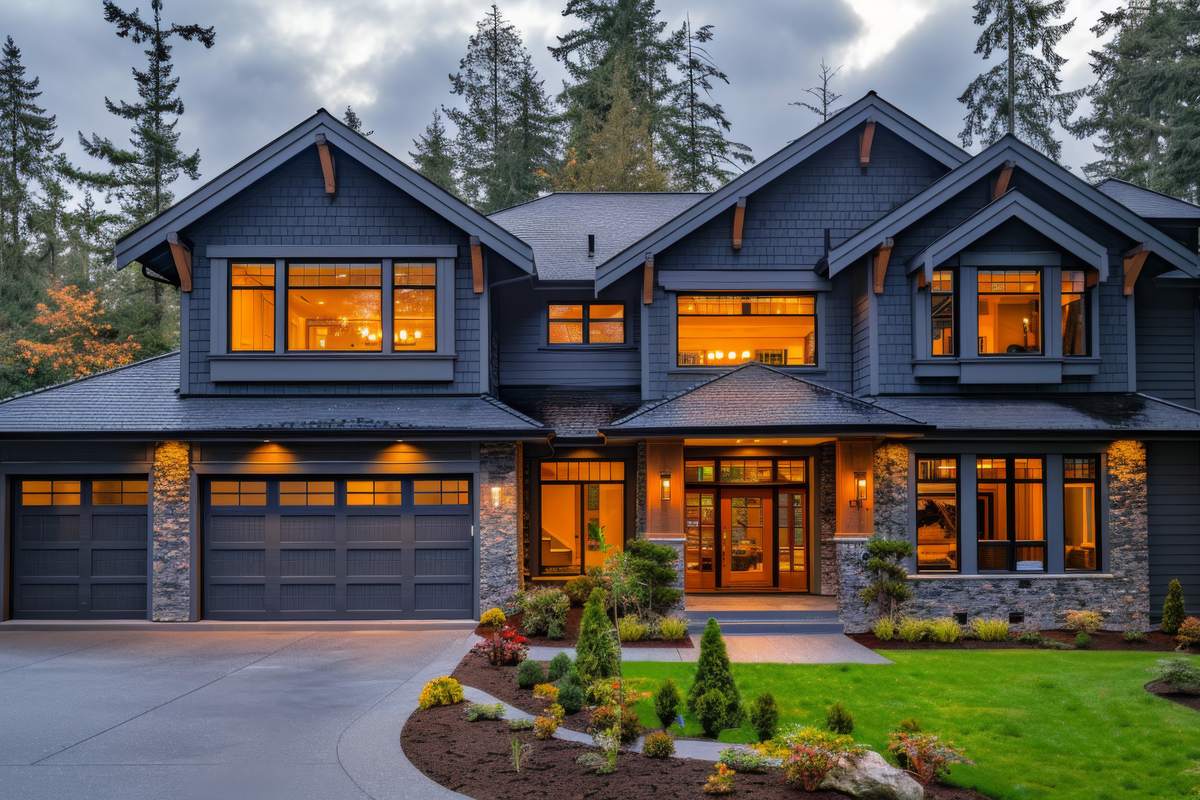
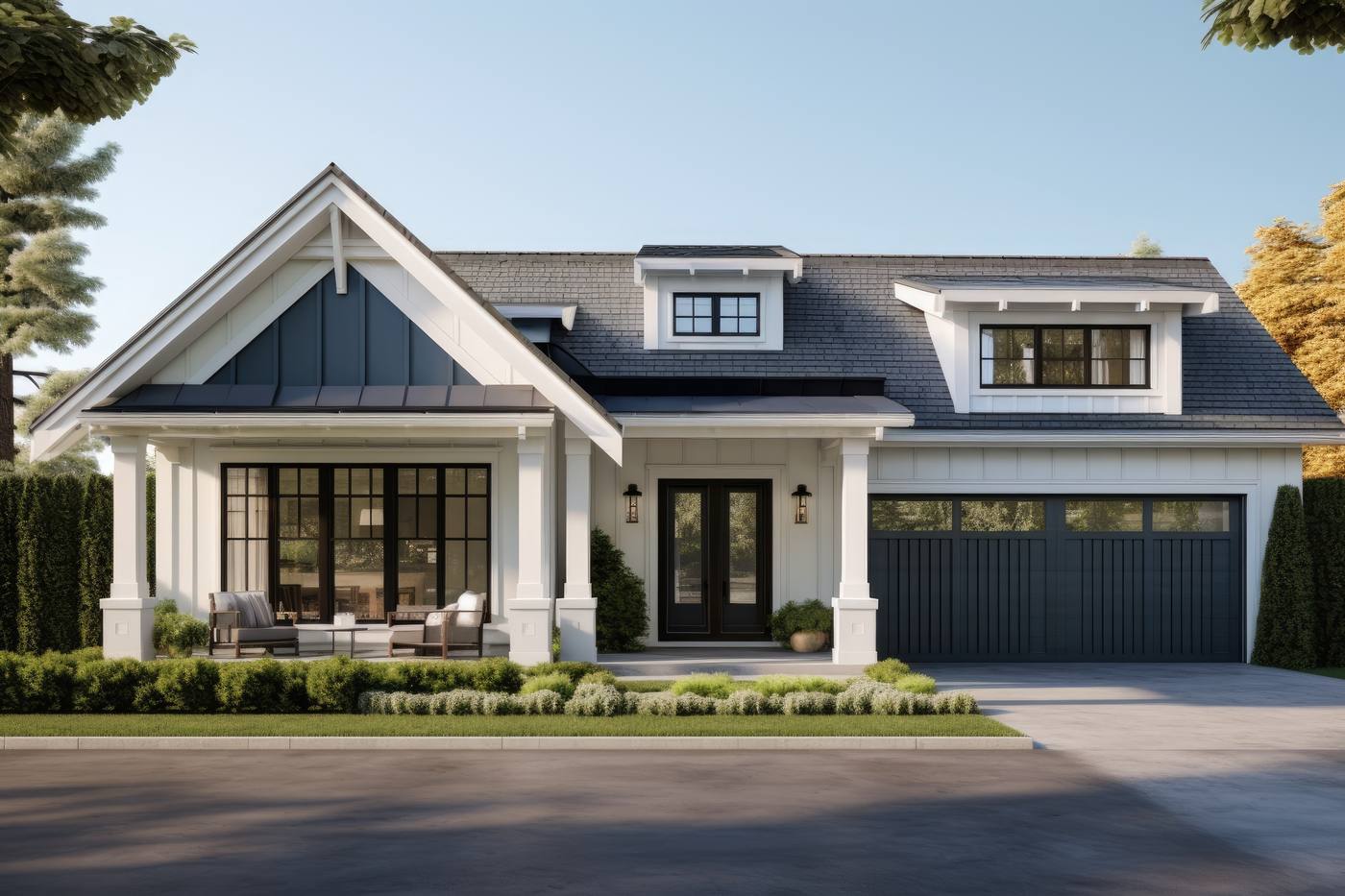
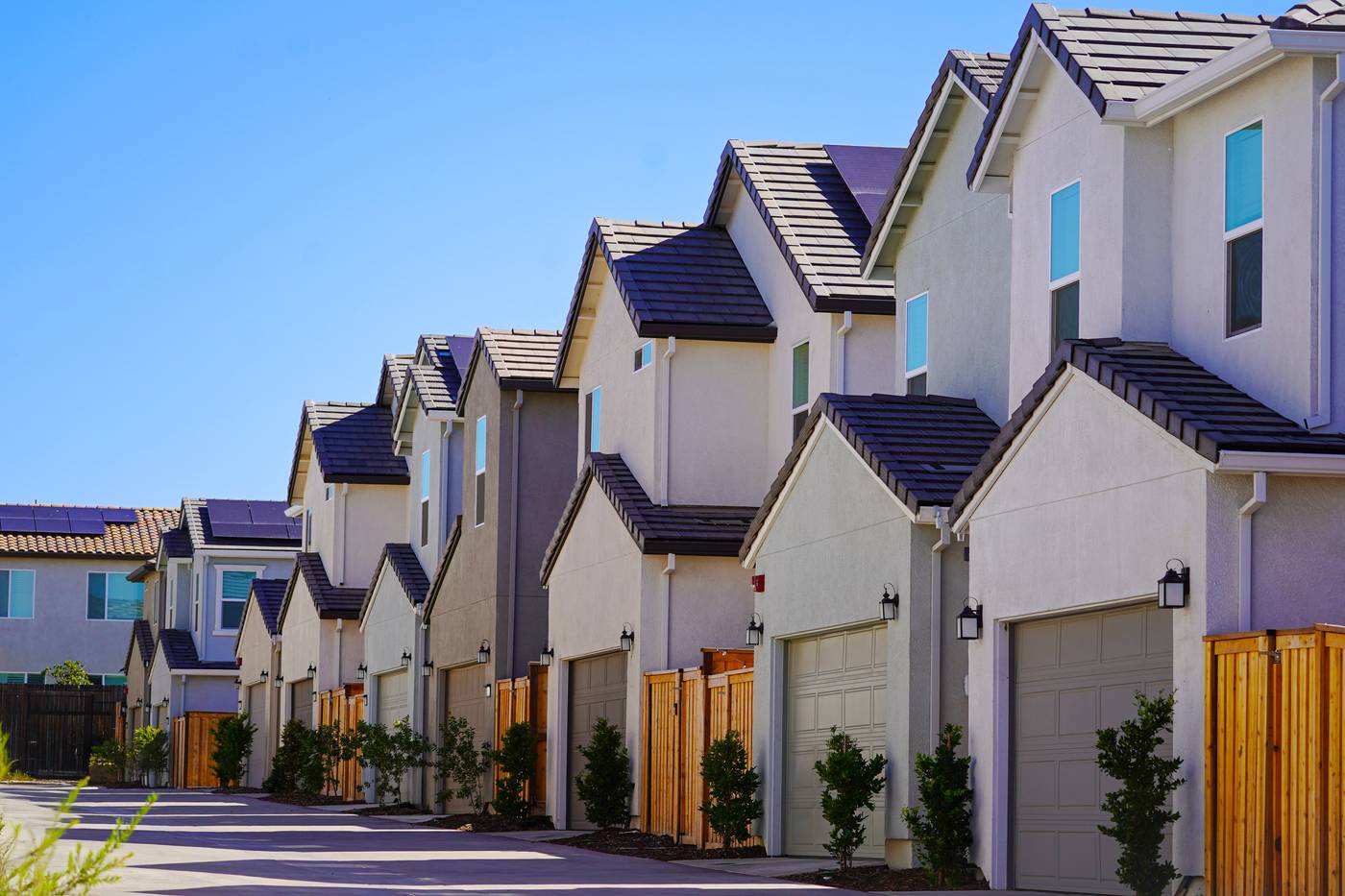
Factory built homes have become a popular option for backyard cottages. The idea is appealing, since much of the building happens indoors while site work moves ahead. A modular DADU comparison with a site built cottage shows that both paths share many steps, though they divide the work differently. Knowing those differences helps you compare offers fairly.
This guide covers approvals, site work, transport, design flexibility and cost comparisons. As always, the right choice depends on your lot, your goals and the code in effect when you apply.
Where a Modular DADU Comparison Begins
A factory builds a modular home in sections and then ships them to the site. Crews set the sections on a foundation and connect them. With a site built cottage, by contrast, crews frame and finish the home on the lot itself.
Both types become permanent homes once installed. However, the process for approvals and inspections differs in a few important ways. The split of work between factory and site also changes who handles each task, which affects contracts and warranties.
State and City Approvals
In Washington, the Department of Labor and Industries oversees factory built structures. According to L&I’s modular structures page, L&I must approve buildings that factories make and ship to Washington sites. The building must also carry an L&I insignia before it leaves the factory.
Local review still applies. L&I’s plan guidance notes that it reviews the foundation plan only to confirm it suits the general building design. The local building department, meanwhile, must approve the foundation and site plans. In Seattle, that means SDCI still reviews zoning, the site and the parts built on the lot.
Inspections follow the same split. The factory work goes through the state process, while city inspectors typically check the foundation, connections and site work. Ask each provider to explain which inspections happen where, and who schedules them.
Foundations and Utility Work
A factory cannot build the foundation, so that work happens on site either way. The same goes for utility lines, drainage and connections to water, sewer and power. As a result, a large share of site work looks similar for both paths.
The foundation for a modular unit must match the factory design and the local approval. Our guide to DADU foundation types explains the common options. Utility runs, meanwhile, depend on where the cottage sits and how far the lines must travel.
Transport and Crane Access
Each modular section has to travel to the lot, and a crane then lifts it into place. That usually means a truck and a crane. Narrow streets, overhead wires, trees and tight side yards can all complicate delivery, especially on lots without alley access.
Using the street for a crane or delivery may also require permits from the city. Our guide to DADU construction access covers routes and right of way questions. Therefore, ask any modular supplier to review your site before you sign. A site visit can reveal limits that a map or photo would miss, such as low branches or a steep driveway.
Customization and Design Limits
Factory sections have size limits tied to transport. So modular designs often follow set widths and layouts, with options for finishes and features. A site built cottage, on the other hand, can more easily adapt to unusual lots, slopes or setbacks.
Timing of decisions matters too. With a modular unit, most choices get locked in before the factory starts building. As a result, late changes can be harder than on a site built project, where some adjustments remain possible during framing.
Pre-approved plans offer another middle path. Our post on Seattle pre-approved DADU plans explains how those plans work in Seattle.
Schedule and Weather
Factory work happens indoors, which protects framing and finishes from Seattle rain. Meanwhile, crews can prepare the site at the same time. That overlap is one reason people consider modular options.
Still, the overall schedule depends on permits, factory slots, delivery and site work. Neither path is automatically faster for every project. So ask each provider for a full schedule that includes every step.
Warranties deserve the same attention. A modular project may involve a factory warranty for the sections and a separate warranty from the installer or general contractor for site work. Ask how the two fit together and who to call if a problem appears.
A Fair Modular DADU Comparison of Costs
Advertised prices for modules often cover only the factory built portion. A complete project also includes design, permits, foundation, utilities, delivery, crane, installation, connections and finish work on site. Without those items, a comparison is not apples to apples, and the cheaper option on paper may cost more in the end.
Ask every provider for a full installed scope in writing. Then compare it line by line with a site built bid. Our guide to DADU estimate inclusions lists items that belong in a complete estimate.
Making Your Modular DADU Comparison
Start with a site review to confirm that delivery and setting are possible. Then gather complete proposals from both types of providers, including the same level of finishes in each. Finally, check how each option fits the zoning and design goals for your lot.
In the end, a modular DADU comparison works best when it measures the whole project rather than the module alone. With full scopes in hand, you can choose the path that suits your property.

 sacdigitalmedia