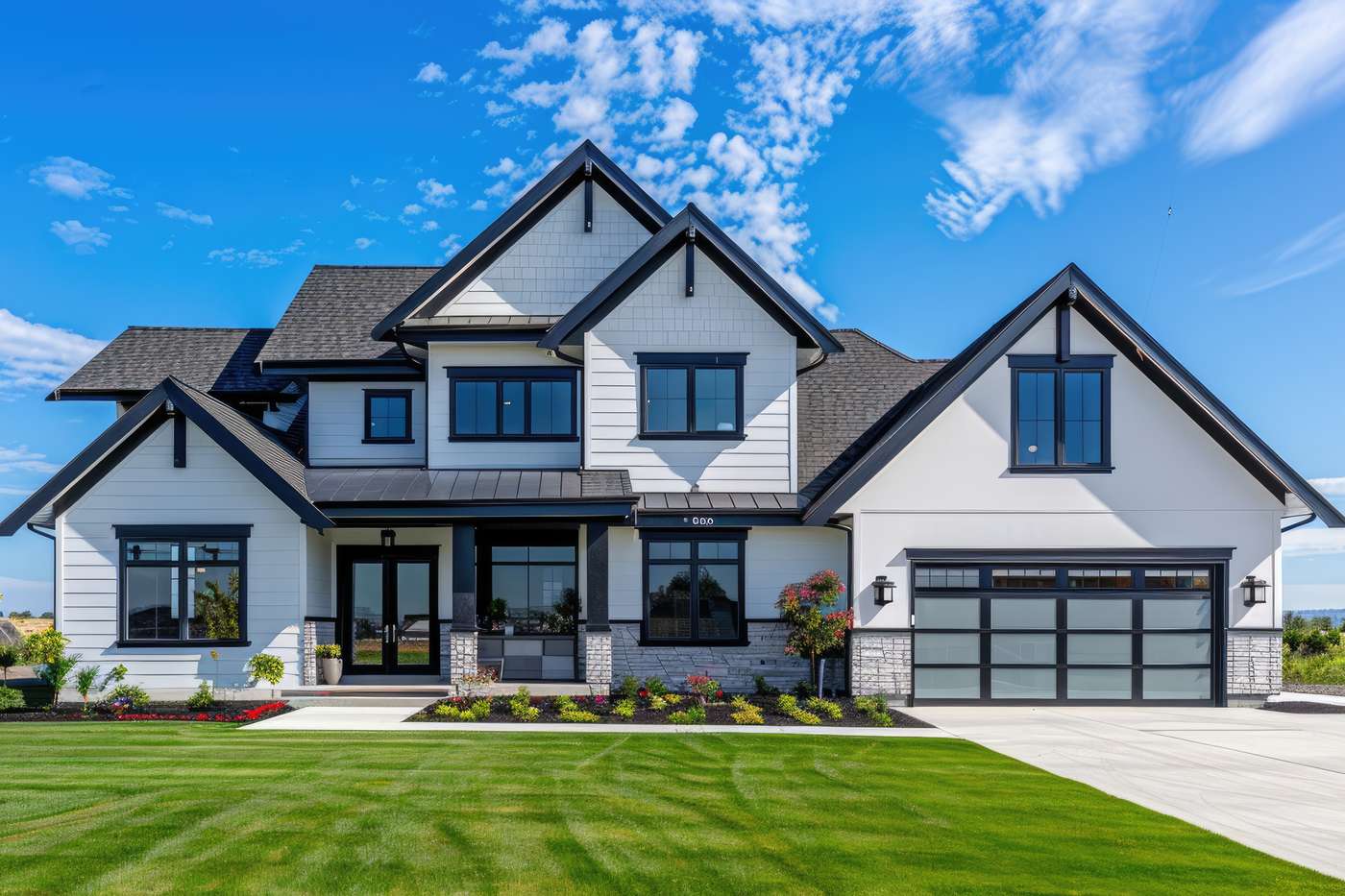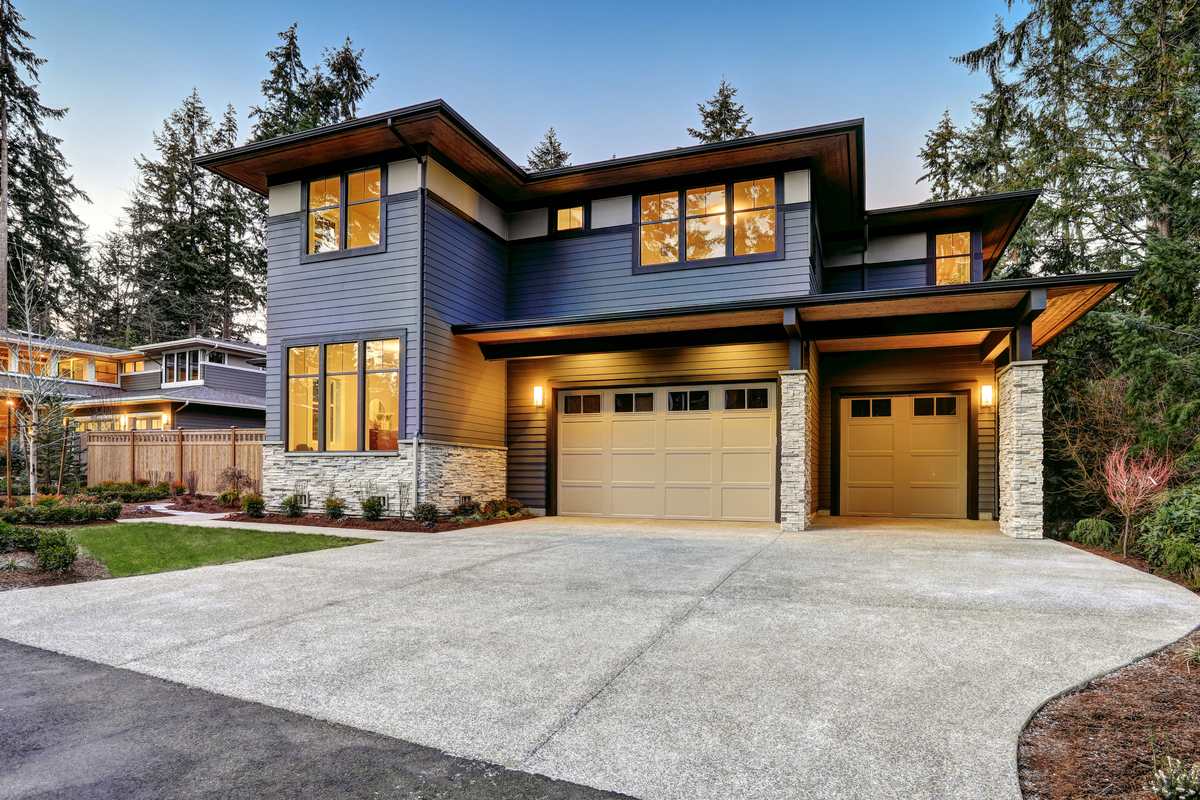
Tiny homes draw a lot of interest in Seattle. They promise simple living, a small footprint and a lower barrier to adding a second home on a lot. Seattle tiny home rules, however, draw a sharp line between units on wheels and homes built on foundations. That line decides whether someone can legally live in the space.
This guide explains the difference, along with habitability, permits, utilities and lawful occupancy. As always, confirm the current rules with the city before you buy or build.
Seattle Tiny Home Rules at a Glance
SDCI addresses tiny homes directly on its accessory dwelling unit page. The city treats tiny houses on wheels like camper trailers. According to SDCI, you cannot live in a tiny house on wheels, or similar equipment such as RVs and boats, on lots in Seattle city limits.
Tiny houses with foundations are a different story. SDCI considers them detached ADUs. That means they follow the same zoning, building code and permit rules as any backyard cottage.
Wheels Versus Foundations
Builders design a tiny house on wheels to move. Even if it looks like a cottage, the city treats it like a trailer. Therefore, wheels change the legal status of the unit, not just how it moves. If yours has wheels, SDCI says you need to follow parking rules for large vehicles.
In addition, some sellers market wheeled tiny homes as recreational vehicles or park models. In Washington, L&I notes that RVs and park model RVs for sale or lease must carry an L&I approval label. That label, however, does not make the unit a legal residence on a Seattle lot.
Some owners ask about removing the wheels and setting a unit on a foundation. That path raises its own questions. For example, a design built for the road may not meet the residential code for structure, energy or room sizes without changes. So ask a designer and SDCI before you assume a conversion will work.
Habitability Standards
A tiny home on a foundation must meet the residential code for a dwelling unit. The code defines a dwelling unit as having permanent provisions for living, sleeping, eating, cooking and sanitation. It also calls for a toilet, a sink and a tub or shower, plus a kitchen with a sink.
Room sizes matter as well. Under the residential code, habitable rooms other than kitchens need at least 70 square feet and must be at least 7 feet in any horizontal direction. Lofts, which are common in tiny homes, have their own rules for size, ceiling height and access. As a result, a loft that works in a mobile unit may need changes in a permitted home.
Permits Under Seattle Tiny Home Rules
Because a tiny home on a foundation counts as a detached ADU, it needs a construction permit. SDCI lists a construction addition or alteration permit for building a detached unit. The unit must also meet current codes, including energy and structural rules.
Pre-approved plans may help some owners who want a simpler route. Our post on Seattle pre-approved DADU plans explains that option. Our guide to small DADU layouts, meanwhile, covers ways to make compact space work well.
Utilities and Connections
A legal tiny home needs the same utilities as any cottage. That includes water, sewer, power and often heating and ventilation, just as a larger cottage would need. Also, each connection follows its own permit and inspection process. Because a tiny home still needs full service lines, utility work remains a real part of the project, even for a very small unit.
SDCI notes that an ADU project may need electrical service changes or new service from Seattle City Light. Our guide to DADU sewer connections explains one of the larger pieces of site work.
Zoning and Site Fit
A small home still has to fit the lot. Setbacks, height, lot coverage and the limit on accessory units all apply. For instance, Seattle’s code allows no more than two ADUs on a lot.
On the other hand, small size can help on tight lots. A compact footprint may leave more yard, preserve trees or fit where a larger cottage would not. Even so, confirm placement with a designer before you commit. Access for delivery, emergency crews and residents also needs space, so plan a clear path from the street to the door.
Lawful Occupancy Under Seattle Tiny Home Rules
Lawful occupancy depends on permits and final approval. Under the residential code, no one may occupy a new building until the building official approves it after final inspection. So even a well built tiny home is not a legal place to live without that step.
The same idea applies to backyard offices and sheds. Our post comparing a backyard office versus ADU explains why a structure built for another use is not a residence.
Deciding If a Tiny Home Fits
Start by deciding whether you want a permanent home or a mobile one. If you want someone to live in it on a Seattle lot, the foundation path is the one the city recognizes. Then review your lot, the code and the permit steps with a designer. A designer can also confirm whether a compact layout meets the room size and egress rules.
Ultimately, Seattle tiny home rules come down to one key question. Is the unit a permanent, permitted dwelling? Answering that early keeps your plans on solid ground.

 sacdigitalmedia