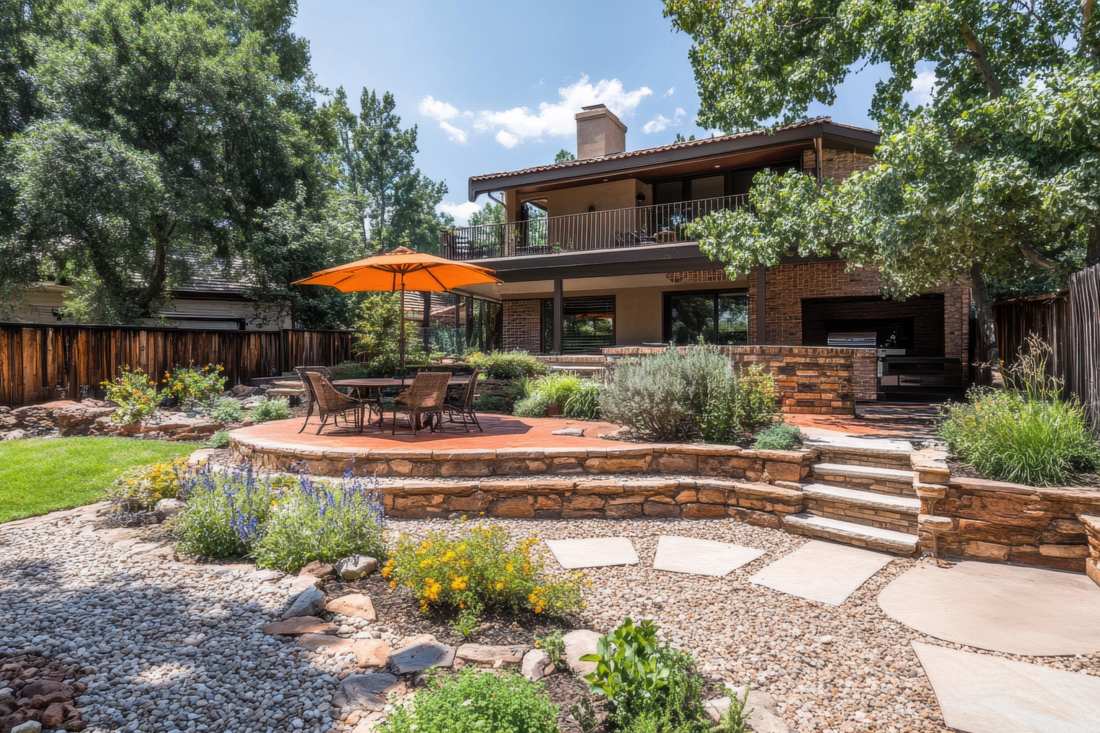
A backyard cottage changes part of your yard, but it does not have to change all of it. Lawns, planting beds, patios and paths outside the work area can often come through construction in good shape. DADU landscape protection is the planning that makes that possible. It covers where crews work, where materials sit and how the soil recovers afterward.
This guide walks through work zones, soil, storage, utilities and restoration. Trees have their own rules in Seattle, so they get only a brief mention here. Our separate guide to DADU tree protection covers them in detail.
Why DADU Landscape Protection Starts Early
Protection is easiest to plan before the first machine arrives. Once crews start moving soil, it becomes hard to change routes or storage spots. Early planning also helps you decide which plants to keep, move or replace.
Start with a simple walk around the yard. Note the features you value most, such as a favorite bed, a patio or a stretch of lawn. Then share that list with your builder so it shapes the site plan.
Photos help too. Take pictures of the whole yard before work begins, including beds, edges, fences and paths. Later, these photos give you a clear record of how things looked, which makes restoration talks much simpler.
Marking Work Zones and Clearing Limits
Seattle’s Stormwater Code sets out construction stormwater control steps for projects that disturb land. One of the first steps is to mark clearing limits clearly before land disturbing work begins. The same step covers easements, setbacks, critical areas, drainage courses and trees that will stay.
For a homeowner, this means the edge of the work zone should be visible on the ground. Fencing, flagging or stakes can show crews where they may and may not go. As a result, everyone can see which areas to avoid from day one.
Keeping Soil Undisturbed
Healthy soil takes years to build, and heavy traffic can compact it quickly. Under SMC 22.805.050, parcel based projects must retain and protect undisturbed soil in areas not being developed. The code also calls for amending new, replaced and disturbed topsoil with organic matter before the project wraps up, as the Director’s rules require.
The Stormwater Code adds that the top layer of soil and any native vegetation should stay undisturbed where feasible. When that is not feasible, the code says crews should stockpile the topsoil on site, cover it and replace it once the land disturbing work ends. Ask your builder where that stockpile will go.
Material Storage and Construction Access
Lumber, gravel and equipment need a home during the build. Ideally, that home sits on ground where the cottage or a new path will go later. By contrast, placing loads on lawns or beds can crush roots and compact soil. Dumpsters and portable toilets also need a spot, so include them in the storage plan.
Access matters as well. The construction stormwater steps call for limiting vehicle access to one route whenever possible and stabilizing access points. Our guide to DADU construction access covers routes, gates and side yards in more detail.
Locating Utilities Before Digging
Yards hide many lines, from water and power to irrigation and low voltage wiring. Washington’s dig law requires a locate request through the one number locator service before excavation. According to the Utilities and Transportation Commission’s dig law page, the excavator gives two to ten full business days of notice and marks the dig area in white.
However, the locate process may not reveal private lines that a past owner or installer added, such as garden lighting or sprinkler pipes. So gather any records you have and share them with your builder. Marking those lines yourself can prevent costly surprises.
Protecting Hardscape and Plantings
Patios, walkways and steps can crack under heavy loads. If equipment must cross them, ask how the crew plans to protect the surface. Plywood, mats or temporary paths are common approaches, though the right choice depends on the site.
Plants near the work zone may need extra care. Some owners move prized perennials or shrubs to a safe spot or into pots before work begins. Others water nearby beds more often during dry spells, since dust and heat can stress them.
DADU Landscape Protection for Drainage
Construction can change how water moves across a yard. The stormwater steps call for protecting downstream properties and passing drainage from disturbed areas through a sediment control measure before it leaves the site. Therefore, protected landscape areas should not become a path for muddy runoff.
Ask how the plan handles water during rain, especially on a sloped lot. Also ask how the crew will keep soil piles and bare ground covered when storms arrive. Our guide to DADU site drainage explains the permanent side of that work.
Restoration After the DADU Landscape Protection Phase
After the building is done, the yard needs time to recover. Soil amendment is part of that process, along with replanting and repairing any areas that saw traffic. In addition, compacted areas may need loosening before new plants go in.
Talk with your builder about who handles restoration and what it includes. Some contracts cover basic grading and seeding, while others leave planting to the owner. Either way, put the agreed scope in writing. In the end, DADU landscape protection works best when the plan for the yard is as clear as the plan for the building.

 sacdigitalmedia