Before two households share one Seattle lot, a few honest conversations about routines, costs, chores and ownership prevent most of the friction later.

What Should Families Discuss Before Sharing a Property?
read more

Before two households share one Seattle lot, a few honest conversations about routines, costs, chores and ownership prevent most of the friction later.
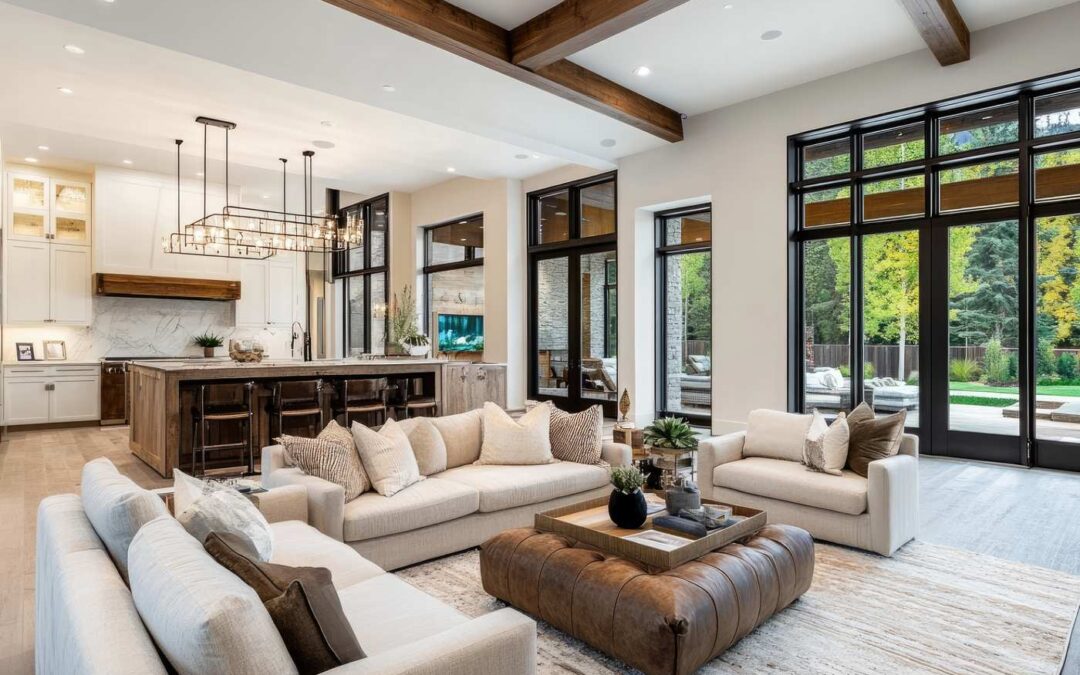
A cottage built for one purpose often serves another a few years later. Room roles, storage, finishes and Seattle bedroom rules decide how easily it can change.

A backyard cottage can house a live in caregiver near the person who needs help. Layout, privacy, clear work hours and Seattle labor rules all shape the plan.

Two or three generations can share a lot and still keep their own lives. Entries, windows, patios, lighting and simple household agreements make the difference.

A backyard cottage can give a grown child real independence close to home. Boundaries, a full kitchen, privacy and later reuse shape whether it works.

Seattle’s residential code sets a floor for doors, stairs and handrails. Easier daily movement comes from choices about entries, halls, baths and controls.

A backyard cottage can keep a parent close without sharing one kitchen. Here is how layout, privacy, the path between homes and future needs fit together.
SDCI treats a tiny house on wheels like a camper trailer and one on a foundation like a backyard cottage. Here is what each path means for living there.
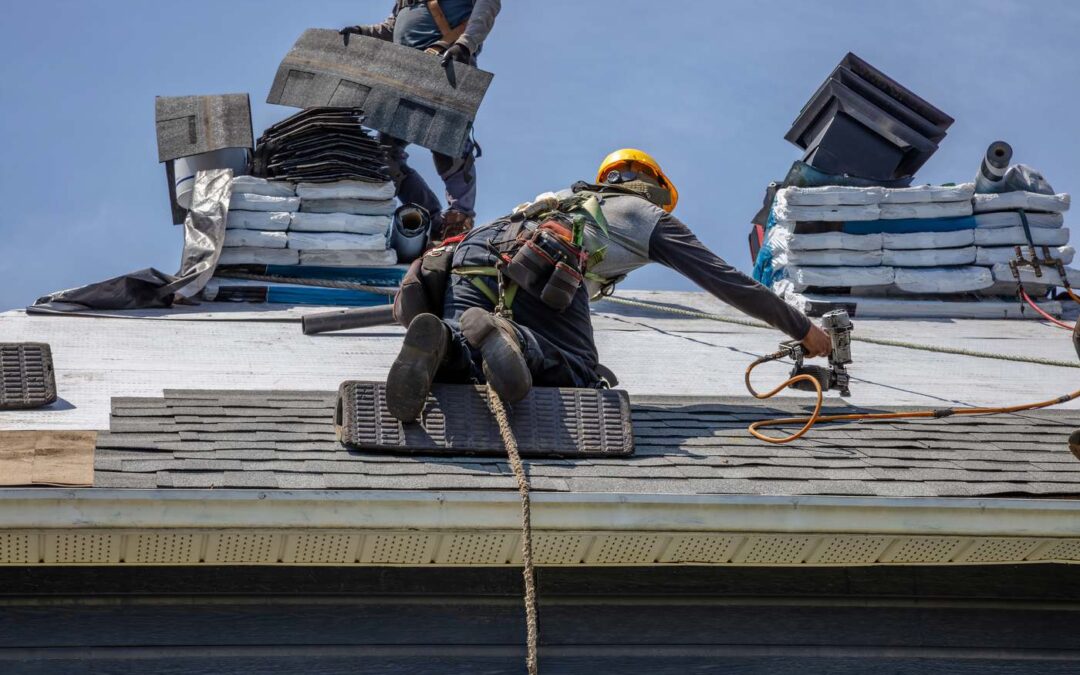
Factory sections still need a foundation, utilities and city approval on site. Here is how the work splits between L&I, SDCI and your lot.

An old basement apartment or converted garage can often be brought onto the record. Here is how SDCI’s establish use permit, records and upgrades fit together.