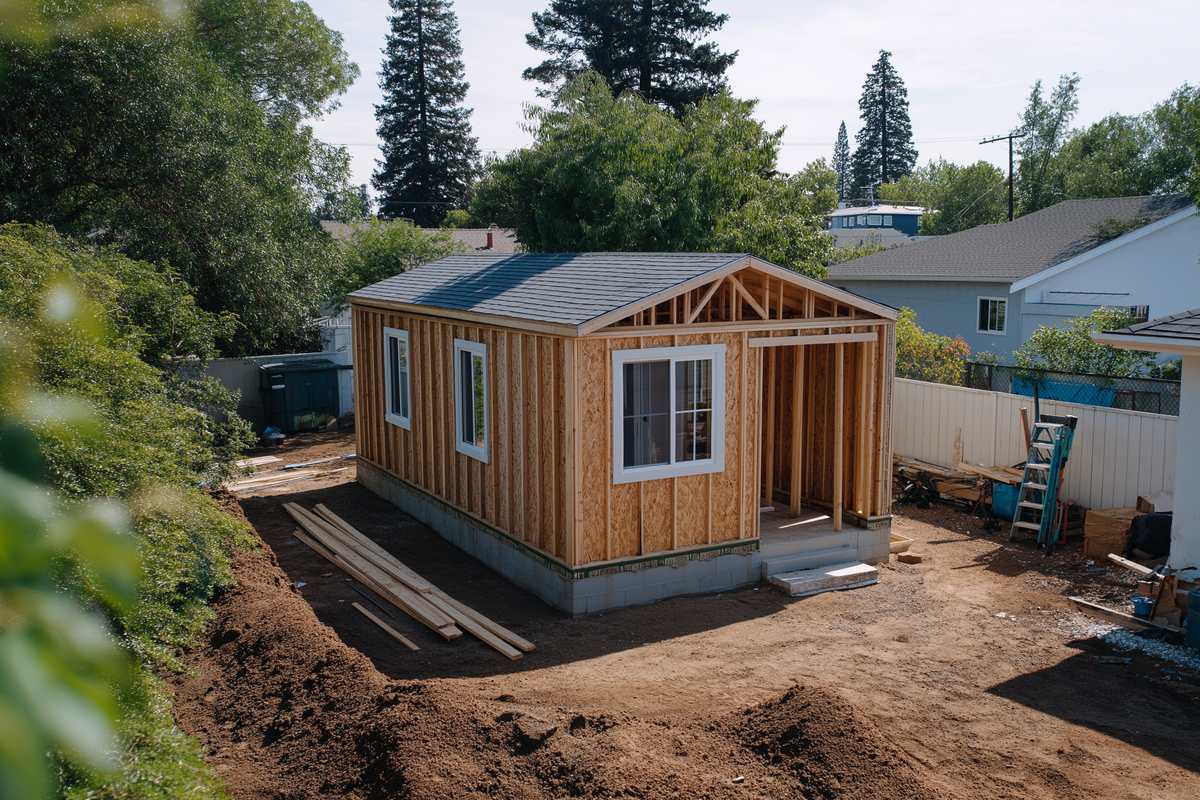
Most homeowners start a backyard cottage with an agreed budget and a strong wish to stay within it. That goal is reasonable. Still, it helps to know where DADU budget overruns tend to begin, so you can spot pressure points before they grow.
No construction project is completely free of change. Even careful plans meet new information once work begins. The real question is how those changes are found, discussed and decided.
This guide walks through the most common sources of budget movement during construction. It also shows how clear communication, good records and timely decisions can reduce surprises. However, this guide does not promise zero changes, because no honest plan can. What it offers is a clearer view of where change comes from and how to respond.
Why Some Change Is Normal
Many owners treat any change as a failure. In practice, a few changes are a normal part of building a new home on an existing lot.
Some changes even improve the result. For instance, a homeowner may add a window once the framing shows a better view. Likewise, an inspector may catch a detail that makes the cottage safer.
The goal, then, is not to avoid every change. Rather, it is to make sure each one is understood, approved and recorded before work moves forward. Seen this way, change becomes something you manage instead of something you fear.
This mindset also helps when you compare proposals. Our article on fixed price and cost plus contracts explains how each structure handles change.
Discoveries Below the Surface
The ground often holds the first surprise. Once excavation starts, crews may find soft soil, buried debris, old foundations or unmapped pipes.
Each discovery may need a response. For example, poor soil can call for deeper footings or extra engineering. Similarly, an old pipe in the way may need to be capped or rerouted.
These costs are hard to predict in advance. That is why a reserve matters so much. Our guide to planning a contingency reserve explains how to prepare for them.
Owner Selections and Upgrades
Selections are one of the most common places where budgets shift. A homeowner may see the space take shape and decide to upgrade a counter, add lighting or change a tile.
Each change can be reasonable on its own. Over time, though, several small upgrades can add up to a noticeable increase. Late selections can also delay other trades, which adds indirect cost.
Allowances help here, but only if they reflect your real expectations. Our article on how finish allowances work explains how to set them with care.
Permit and Inspection Requirements
Plan review can lead to changes before construction starts. A reviewer may ask for added details, structural changes or other corrections.
Inspections can raise questions during construction as well. An inspector might require an adjustment that the original plans did not show. In addition, some projects need special inspections that add steps to the process.
Seattle requires accessory units to meet current building, energy, land use and other code standards. You can review those requirements on the city’s accessory dwelling unit page.
Supply Substitutions Can Drive DADU Budget Overruns
Materials and products do not always arrive as planned. An item may be discontinued, back ordered or delayed beyond the schedule.
When that happens, the team may need a substitute. Sometimes the replacement costs about the same. Other times, it costs more or requires different installation work.
Ordering early reduces this risk. Likewise, agreeing on backup options for key products can speed up decisions if a substitution becomes necessary.
Incomplete Scopes Lead to DADU Budget Overruns
Some budget changes trace back to the estimate itself. If an item was never clearly included or excluded, someone may have to pay for it later.
Common gaps include yard restoration, utility upgrades, appliance installation or final cleaning. Each seems small until it appears as an unexpected invoice.
A detailed scope helps prevent many DADU budget overruns of this kind. Our guide to what an estimate should include lists the categories to confirm before you sign.
How Communication Reduces DADU Budget Overruns
Clear communication will not stop every change. However, it makes changes visible early, when there are more options.
- Regular updates. Scheduled check ins keep everyone aware of progress and open questions.
- Written change orders. Each change is described, priced and approved before work proceeds.
- A decision log. A simple record of choices helps avoid confusion later.
- Budget tracking. A running summary shows how changes affect the total.
These habits also build trust. When both sides see the same information, conversations about cost become easier.
Decisions That Keep the Budget Steady
Timing is one of the strongest tools a homeowner has. Making key selections before construction gives the team time to order and plan.
Reviewing change requests promptly helps too. A quick, clear answer prevents crews from waiting or working around open questions. Meanwhile, asking how each change affects schedule as well as cost gives you the full picture.
Finally, keep your priorities in view. If one upgrade matters a lot, consider trading off a feature that matters less.
Expect Change and Plan for It
Budgets move during construction for many reasons. Discoveries, selections, permit requirements, substitutions and scope gaps are the most common.
Knowing where DADU budget overruns usually start puts you in a stronger position. With a clear scope, a reserve, written changes and timely decisions, you can keep surprises smaller and decisions calmer from start to finish.

 sacdigitalmedia