Interior selections are where a backyard cottage budget can swing most once the shell is set. The short answer is that DADU finish allowances work well when each amount matches the finishes you actually plan to choose. A DADU, or detached accessory dwelling unit, is a separate home on the same lot as a house. Kitchens, bathrooms, flooring and lighting usually carry the widest price ranges.
Setting realistic allowances early keeps upgrade costs from appearing midway through construction.
Details below reflect official pages checked in October 2026. Confirm with city staff for your property.
What an Allowance Is
An allowance is a set amount in the estimate for a category that is not fully selected yet. Common categories include cabinets, counters, tile, plumbing fixtures, flooring, lighting and appliances.
If your final pick costs more than the allowance, the budget rises by the difference. A cheaper pick leaves a credit, and the contract explains whether the savings return to you. Labor may or may not sit inside each amount. Ask the builder how every allowance is defined.
Kitchen Selections
The kitchen usually holds the largest group of interior choices. Cabinet construction, door style and hardware vary widely in price. Countertop material and edge details matter too.
Appliance packages range from basic to premium. A compact cottage kitchen may use smaller or apartment size appliances, which can save space. Ventilation requirements for the range hood belong in the plan from the start.
Bathroom Selections
Bathrooms pack many decisions into a small room. Tile size and pattern change installation labor. Large format tile or detailed patterns may take longer to set.
Shower type is a major lever. A prefabricated shower base costs differently from a fully tiled curbless shower. Fixtures, vanities, mirrors and accessories add up quickly, and accessibility features such as grab bar blocking are easiest to add before walls close.
Flooring, Lighting and Hardware
Flooring covers nearly every square foot, which makes the price per square foot important. Luxury vinyl plank, engineered wood, tile and polished concrete each carry different material and labor costs.
Lighting fixtures and switches seem small individually. Several pendants, recessed lights and decorative fixtures can make a noticeable difference in total. Door hardware, cabinet pulls and towel bars follow the same pattern.
Efficient Appliances and Fixtures
Energy and water efficiency affect long term operating costs. The federal ENERGY STAR product finder lists certified appliances, lighting and heating equipment. Washington energy code requirements shape what gets installed.
Utility rebates come and go. Check current offerings directly with Seattle City Light or Seattle Public Utilities rather than counting on a specific program.
Heating, Cooling and Hot Water Equipment
Mechanical equipment is not always treated as a finish, yet some estimates carry it as an allowance. Ductless heat pumps are common in small Seattle cottages. Water heater type matters too.
A heat pump water heater, a tank model and a tankless unit each have different space, electrical and venting needs. Ask whether the estimate names specific equipment or a placeholder amount. Equipment choices affect the electrical load, which ties back to service size and panel capacity.
Setting Allowance Amounts
A low allowance makes a bid look attractive at first. It can lead to upgrade charges once real selections begin.
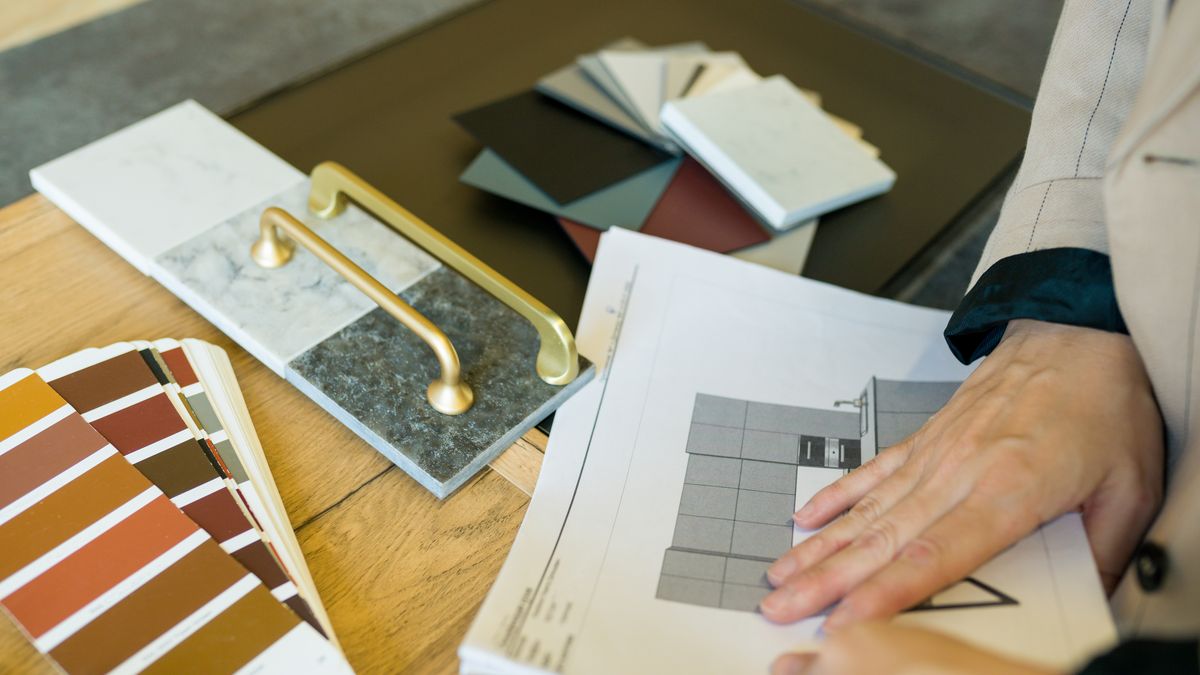
The clearest approach is to bring product examples or photos to early meetings. Ask the builder to price allowances against those choices. Make finish decisions before construction starts whenever possible. Early decisions give suppliers time and keep long lead items from slowing the schedule.
A Hypothetical Allowance Review
Consider an example estimate, invented for illustration, with modest allowances for tile, flooring and lighting. The owner shares photos of the finishes they hope to use.
Pricing those examples shows the tile choice exceeds its allowance, while the flooring choice fits comfortably. The owner can raise the tile line, pick a different tile or move money from another category. Each option is easier to handle before signing than after demolition crews leave and framing begins.
Common Finish Surprises
- Allowances that cover materials but not installation labor.
- Long lead times on specialty tile, fixtures or appliances.
- Price changes between estimate and order date.
- Extra trim, transitions or underlayment not counted in flooring lines.
- Small items such as mirrors and towel bars missing from every category.
Frequently Asked Questions
Do allowances include installation?
It depends on the contract. Some allowances cover materials only, with labor priced separately, and others include both. The difference can be large for tile and flooring, where labor varies with pattern and size. Ask each builder to state in writing what every allowance includes so bids compare fairly and nobody is surprised later.
Which selections should be made first?
Items with long lead times or effects on rough work usually come first. Plumbing fixtures, shower systems, windows and appliances can influence framing, plumbing and electrical layouts. Cabinets often follow. Paint colors and decorative lighting can wait longer, though settling them early still reduces schedule pressure near the end.
Can I supply my own fixtures?
Some builders allow owner supplied items. Others limit it because of warranty, scheduling or coordination concerns. If you supply fixtures, confirm who handles delivery, inspection for damage, installation and warranty claims. Late or incorrect owner items can delay trades, so agree on deadlines in writing before construction begins.
What happens when prices rise after signing?
Contracts handle price changes in different ways. Some fix allowance amounts and pass any increase to the owner, while others include escalation language for certain materials. Read that section closely and ask for examples. Ordering long lead items soon after signing can reduce exposure, provided storage and delivery timing work for the builder.
Finish Planning Checklist
- Gather photos or product links for each major category.
- Ask whether every allowance includes labor.
- Identify long lead items and order deadlines.
- Check efficiency ratings for appliances and lighting.
- Decide where you want to splurge and where simple works.
Realistic DADU finish allowances protect the budget during the busiest phase of construction. Shell decisions come earlier, as the post on building shape and design cost explains. The guide to estimate inclusions and the article on where budgets change during construction add context. More topics sit in the costs and budgeting section.

 DaduSeattleWA.com