More Seattle homeowners are asking whether they can add more than one extra living space to their property. The short answer is often yes, within limits. The two ADUs Seattle code allows can take several forms, but zoning, site conditions and building codes still decide what fits on a given lot.
This guide explains the configurations the code permits at a conceptual level. It also separates the number of accessory units from the total number of homes a lot may hold, because the two ideas are easy to mix up.
What the Code Allows for Accessory Units
Seattle’s current code says that no lot may have more than two accessory dwelling units. In addition, those units can take attached, detached or stacked forms.
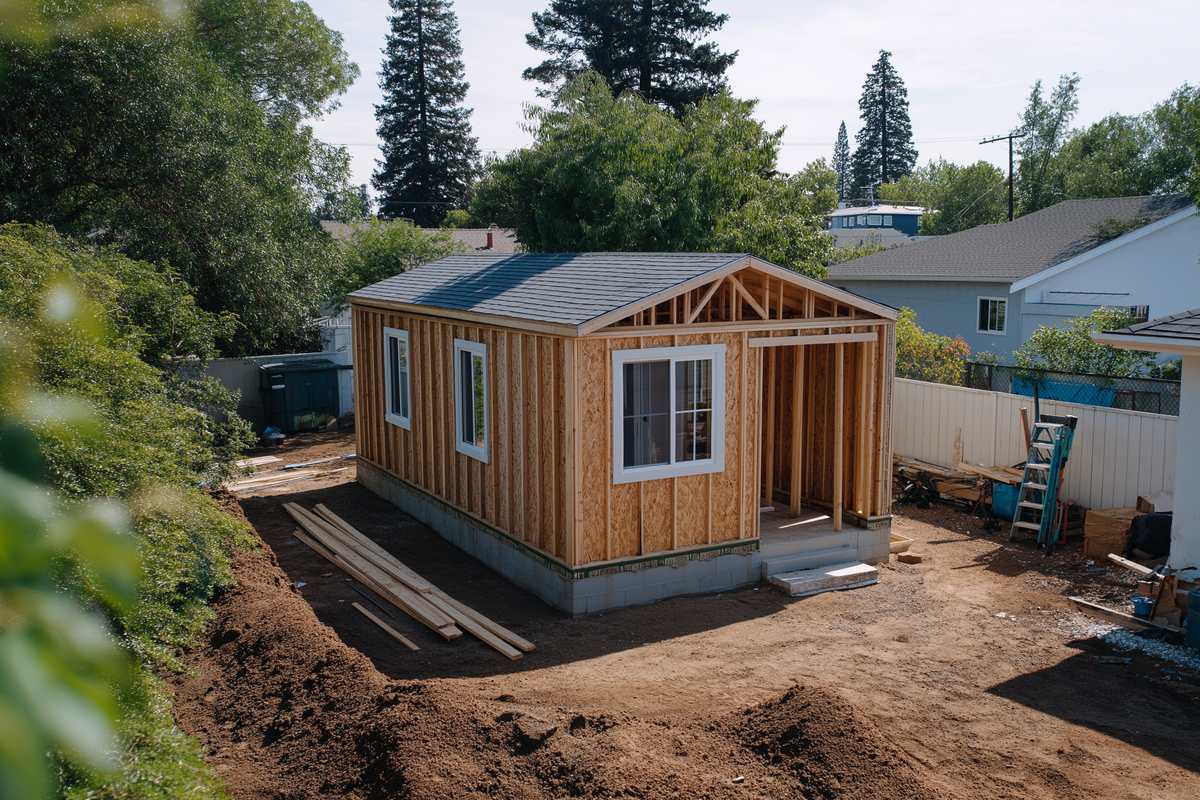
Attached units sit within or connect to the main house. A basement apartment is a common example, and so is a unit above an attached garage. Detached units, on the other hand, stand apart in the yard as a backyard cottage. Stacked units sit above or below one another.
The city’s accessory dwelling unit page summarizes these rules and links to the code section.
Common Ways to Combine Two ADUs Seattle Owners Consider
Because the code is flexible about form, owners can mix and match. Here are a few common ideas.
- One attached and one detached. For example, a basement unit in the house plus a cottage in the yard.
- Two detached units. These might stand as separate cottages or share one structure.
- Two attached units. For instance, a basement unit and an upper floor unit within an expanded house.
- Stacked units. One unit above another, such as a flat above a garage level unit.
Each option has its own tradeoffs for privacy, cost and yard space. So the best fit depends on your lot and your goals.
Think about daily life, too. Two cottages may give each household more privacy. By contrast, an attached unit can share walls and utilities with the house, which may simplify some work. Similarly, a stacked design can save yard space but needs careful sound control between floors.
ADU Count Versus Total Housing Units
Here is where many people lose track. The limit of two accessory units is separate from the total number of homes allowed on a lot.
Under Seattle’s updated Neighborhood Residential rules, many lots may hold several dwelling units in total, counting both principal and accessory units. As the city puts it, some properties may be large enough for four or more units, yet only two of them may be accessory units.
In other words, a lot could include a main house, two accessory units and possibly other principal units, as long as density and other standards allow it. Our article on how middle housing changes affect ADU planning explains this wider picture.
How Zoning Shapes Two ADUs Seattle Projects
Even when the code permits two accessory units, zoning standards shape what you can build. Lot coverage, floor area, setbacks, height and building separation all still apply.
Accessory units count toward density, floor area and lot coverage in the Neighborhood Residential zones. As a result, a second unit can use up allowances that the first unit did not. Our guides to lot coverage and size rules and bedroom choices cover these limits in more detail.
Site Conditions Can Narrow the Options
The physical lot matters just as much as the code. For instance, steep slopes, wetlands and other environmentally critical areas can reduce allowed density in proportion to the affected area.
Trees, easements and utility routes can also limit where a second structure could go. Likewise, access for residents, deliveries and emergency crews needs space. On a narrow lot, these factors may favor one detached unit plus one attached unit rather than two separate cottages. For that reason, a quick sketch of the lot often helps.
Building Codes Add Another Layer
Zoning decides what can go on the lot. Building codes, meanwhile, decide how each building must perform.
When two units share a structure, the code requires separation between them for fire safety and sound. In addition, the number of units in one building can change which building code applies. That shift can affect fire protection, exits and accessibility requirements.
Utilities also grow with each unit. Water, sewer and electrical service may need upgrades to serve more homes. Our post on utility connection planning explains why early coordination helps.
Questions Worth Asking Early
If you are weighing two accessory units, start with these questions. Then bring your answers to your first meeting with a designer.
- Which zone applies to the lot, and how many total units could it allow?
- Would one attached and one detached unit fit better than two cottages?
- Do critical areas, trees or easements reduce the buildable area?
- Could the existing utility services support more than one new unit?
- How would each layout affect privacy, parking needs and outdoor space?
Planning for Two ADUs Seattle Properties Can Hold
The two ADUs Seattle allows on a lot open up many possibilities. Even so, the code limit is only the first filter. Zoning standards, site conditions and building codes all narrow the options for a specific property.
Because each lot is different, a site specific review is the best way to confirm what works. That review should look at the code, the survey and the utility services together. With that review in hand, you can choose the combination that fits your property and your plans.

 sacdigitalmedia